

As concerns about the environment grow and the costs of energy continue to rise, many homeowners are taking steps to make their homes more energy-efficient. Implementing small, yet significant changes can greatly reduce your energy consumption and, as a result, your carbon footprint. By focusing on key areas within your home, you can not only save money on utility bills but also contribute to a healthier planet.
Installing Tankless Water Heaters
One of the most effective ways to enhance energy efficiency in your home is by switching to a tankless water heater. Unlike traditional water heaters that continuously heat and store large amounts of water, tankless models heat water on demand, resulting in significant energy savings. According to a study by Today’s Homeowner, tankless water heaters can be up to 50 percent more energy-efficient than their traditional counterparts, as they only operate when hot water is needed.
Incorporating a tankless water heater provides not only environmental benefits but also reduces utility costs. As your home shifts to using a system that conserves energy by only heating what is necessary, you’ll notice a notable reduction in your energy usage. This change is particularly impactful in homes where multiple people may use hot water at different times of the day.
Moreover, the space-saving design of tankless systems can offer additional benefits to your home. By removing the large storage tank, you can find newfound space in your basement or utility area. This can be particularly advantageous in smaller homes, allowing for other uses of the reclaimed space. Furthermore, with proper maintenance, tankless water heaters often have a longer lifespan than traditional tanks, making this investment a lasting one.
Upgrading to High-Efficiency Equipment
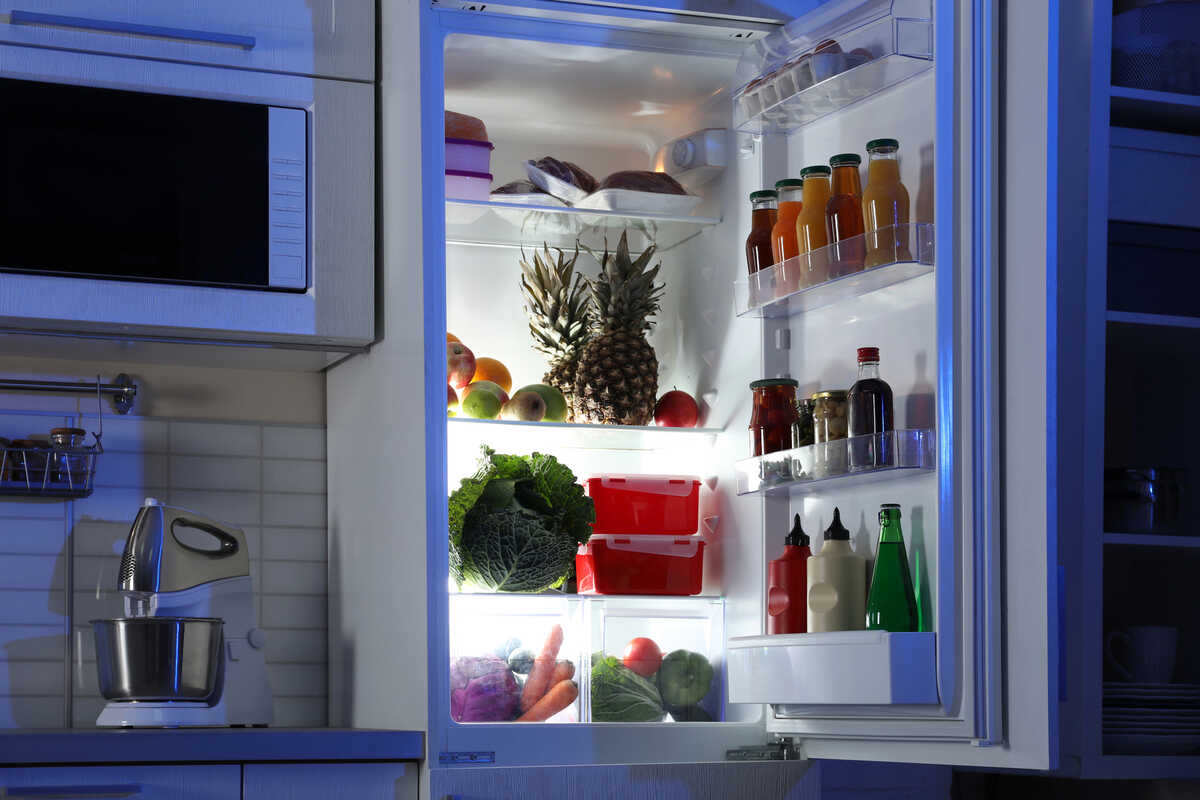
An impactful step towards energy efficiency can be accomplished through upgrading home appliances to high-efficiency models. Appliances like refrigerators, washing machines and HVAC systems can consume significant amounts of energy, affecting both utility costs and environmental impact. The U.S. Department of Energy suggests that replacing outdated equipment with high-efficiency solutions could potentially halve the energy consumption of your home.
Such updates to your home serve as a dual benefit—elevating the level of comfort while reducing energy consumption. Many high-efficiency appliances offer enhanced features that cater to modern lifestyle needs, such as programmable settings and smart integrations that can further optimize energy use. Eligible homeowners may also find rebates and incentives for these green upgrades, helping to initial costs.
Additionally, by incorporating these efficient appliances, you’re fostering a home environment that is more sustainable in the long run. Not only do these systems use less energy, but many also utilize advanced technologies that minimize water usage and enhance resource management. This conscious effort to upgrade appliances becomes a stepping stone towards establishing a home that aligns more closely with energy conservation values.
Switching to Energy-Efficient Windows and Doors
Windows and doors can be a significant source of energy loss in any home, making their upgrade an essential step in improving energy efficiency. Prioritizing energy efficiency in these areas is a concern for many homeowners, as evidenced by a report from Zipdo indicating that 78 percent of consumers consider it a priority when purchasing windows and doors.
Advanced energy-efficient windows and doors reduce the energy required for heating and cooling your home. By providing superior insulation, these products help maintain consistent indoor temperatures, thereby decreasing the strain on your heating and cooling systems. This reduction in energy demand not only translates to cost savings but also reinforces your home’s commitment to reducing its ecological footprint.
Moreover, these improvements can enhance the overall comfort and aesthetic appeal of your home. Energy-efficient windows can dramatically reduce the presence of drafts and temperature discrepancies near windows, making your living spaces more pleasant year-round. A notable increase in natural sunlight without the associated heat gain is another benefit, effectively brightening up your home without impacting energy consumption.
The move towards a more energy-efficient home is not just a trend but a necessary shift characterized by conscious decision-making and strategic upgrades. As each homeowner contributes to this path, the collective impact can lead to a considerable environmental transformation. By prioritizing energy efficiency in areas like water heaters, appliances and windows, your efforts make a significant difference for both your bill and the environment. Embracing these changes will not only reduce your home’s environmental impact but also inspire a more sustainable lifestyle.


