

The world is rapidly shifting towards more sustainable practices, and sustainable building is one aspect that’s gaining momentum globally. From eco-friendly homes to innovative outdoor living solutions, the trends are unmistakable. This article delves into custom build timelines, cooling trends and the rise of eco-tents, shedding light on how these aspects are intertwining with green living.
Custom Build Timelines in a Sustainable World
Creating a custom-built home is an exciting venture into personal design and tailored functionality. According to Angi, a personalized home build can span anywhere from 12 to 24 months, factoring in design, planning and construction. As sustainability becomes a cornerstone in home building, these timelines are influenced by the sourcing of eco-friendly materials and design considerations.
The demand for sustainable materials is increasing, prompting builders to consider options such as recycled materials, solar panels and energy-efficient systems. These factors often extend the timeline but enhance the house’s value with long-term cost savings and reduced energy consumption. Building green homes isn’t just a trend but a commitment to environmentally responsible living.
As the world becomes more environmentally conscious, clients seeking custom homes often opt for modern, energy-efficient designs. The integration of sustainable practices in the home-building process signals a positive shift towards a more eco-conscious future.
Cooling Trends and Energy Consumption
In an era of rising temperatures and climatic changes, cooling systems have become crucial components of home design. According to the US Department of Energy, around 88 percent of U.S. households utilize some form of air conditioning, with 66 percent relying on central systems. This statistic underscores the importance of efficient cooling in contemporary home designs.
There is a growing emphasis on integrating energy-efficient cooling technologies in homes. Options such as geothermal cooling or high-efficiency hybrid HVAC systems are gaining popularity, significantly reducing energy consumption. These innovations ensure homes stay cool without over-relying on energy-consuming appliances.
Moreover, passive cooling strategies are becoming a fundamental part of sustainable home design. By maximizing natural ventilation and using smart architectural features, such as shade and reflective roofing, homeowners can drastically cut down their reliance on traditional air conditioning systems. This move not only eases energy consumption but also offers a healthier, more comfortable living environment.
The Rise of Eco-Tents and Outdoor Living
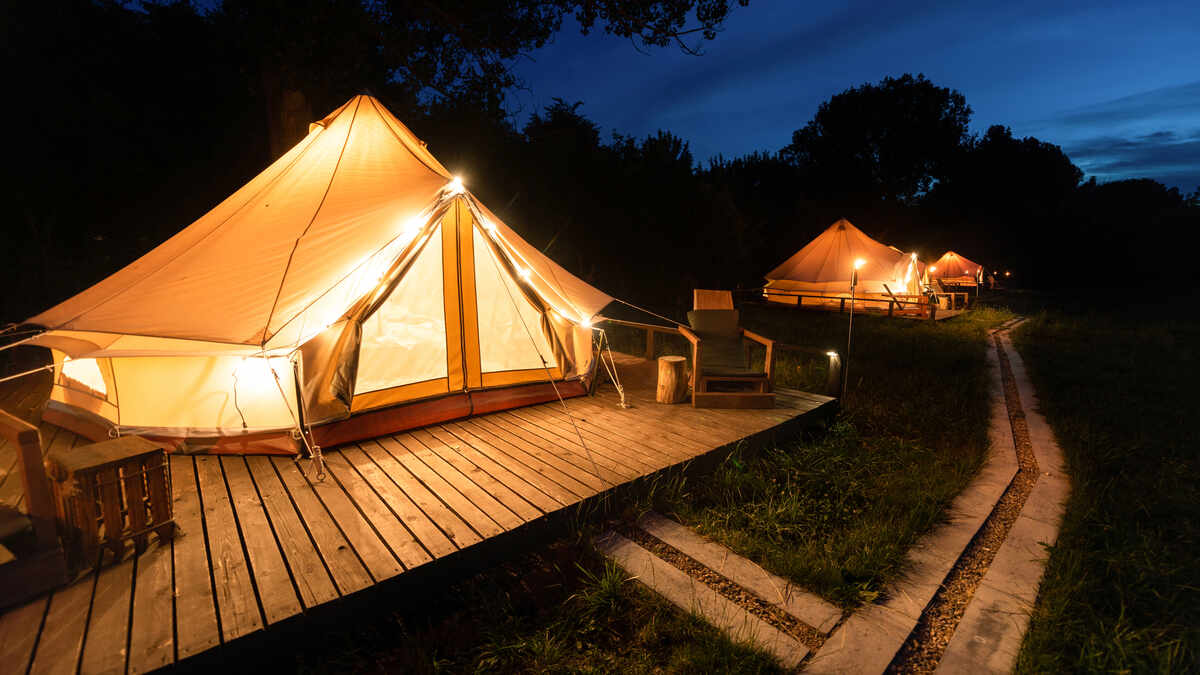
The upsurge in the demand for eco-tents signals a new era in outdoor experiences, offering sustainable alternatives to traditional camping. With the outdoor canopy and tent rental market predicted by Gitnux to grow at a compound annual growth rate of 6 percent until 2027, this trend signifies the growing consumer preference for eco-conscious leisure activities. Eco-tents use biodegradable materials and innovative designs to offer a nature-friendly camping option.
Eco-tents perfectly blend modern comfort with minimal environmental impact, offering luxurious options for those looking to immerse themselves in nature without leaving a mark. They cater to a variety of uses – from glamping retreats to backyard setups, demonstrating versatility and sustainable living merged into one.
These sustainable living solutions are part of a more extensive narrative focusing on environmentally conscious living. By integrating eco-tents into their lifestyle, individuals contribute to promoting outdoor activities that respect nature’s boundaries. This shift not only fosters a deeper connection with the environment but also supports the wider sustainable building movement.
In conclusion, green building champions the integration of sustainability in diverse aspects of living, from home building timelines to energy consumption and outdoor experiences. By embracing environmentally friendly alternatives, individuals and industries collectively ensure a healthier, more sustainable future. As these eco-driven trends continue to evolve, they pave the pathway for sustainable growth, promoting eco-conscious living in every facet of life.


