

In today’s world, optimizing energy use and enhancing the efficiency of our homes has become a crucial undertaking. Simple changes around the home can not only significantly cut down on energy costs but also contribute to a more sustainable environment. This article explores practical strategies homeowners can implement to ensure their homes are running as efficiently as possible.
Optimizing HVAC Systems
Your HVAC system is a vital component affecting your home’s energy efficiency. Regular maintenance, such as changing the air filters, can drastically improve the performance of these systems. According to Bob Vila, replacing a furnace’s air filter can boost its efficiency by up to 20 percent. This simple maintenance task ensures better airflow and reduces the workload on your HVAC system.
A clean air filter prevents energy wastage and enhances indoor air quality. As dust and debris accumulate, they block the airflow, forcing the system to work harder and consume more energy. By regularly replacing air filters, you ensure that your HVAC system runs smoothly and your home becomes more energy efficient.
Additionally, considering upgrades to high-efficiency furnaces and air conditioners can further enhance your home’s efficiency. Newer models often come with features designed to conserve energy without sacrificing comfort. Homeowners should assess their current systems and consult professionals to determine if an upgrade is necessary.
Improving Air Conditioning Efficiency
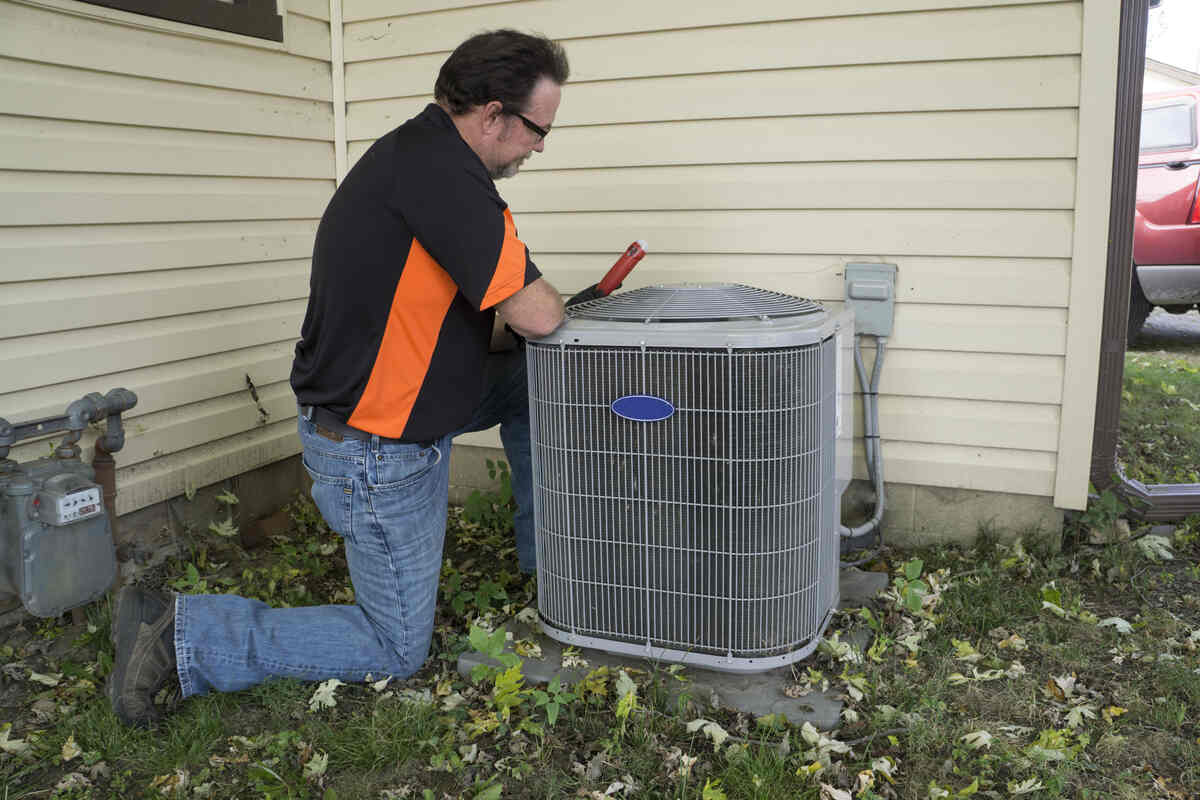
Air conditioning is another area where significant energy savings can be made with the right adjustments. In December 2023, as reported by Consumer Affairs, the U.S., along with 59 other nations, committed to enhancing the global efficiency of new air conditioning units by 50 percent. This international effort highlights the importance of improving air conditioning systems for greater energy savings.
Even before considering the purchase of modern units, homeowners can make several changes to improve their current system’s efficiency. Using programmable thermostats can help regulate temperatures more effectively, avoiding unnecessary cooling and reducing energy consumption. By setting temperatures to adjust based on your schedule, you avoid wasting energy on cooling or heating unused spaces.
Proper maintenance, such as cleaning vents and ensuring there are no obstructions, also plays a key role. Ensuring that air flows freely can make a significant difference in how efficiently a system operates. Homeowners are encouraged to prioritize these small, yet impactful, adjustments that can significantly boost the system’s energy efficiency.
Leveraging Natural Lighting and Shades
Natural lighting and smart use of shades can further optimize energy efficiency around the home. Strategic use of high-efficiency shades can provide substantial savings during the hotter months. The Department of Energy conducted field studies through the Pacific Northwest National Laboratory and found that proper use of high-efficiency shades saved between 15 and 25 percent on whole-home cooling costs during summer.
By thoughtfully integrating window treatments, homeowners can avoid unnecessary heat gain during the summer while retaining warmth during the colder months. This dual-purpose solution not only reduces energy costs but also enhances the comfort of the home environment. Implementing shades that effectively reflect heat away during peak summer days can keep spaces cooler without relying heavily on air conditioners.
Furthermore, harnessing natural light reduces dependency on artificial lighting during daylight hours. This is a simple yet effective strategy to cut down on electricity use. By designing spaces that maximize natural light, either through windows or skylights, homeowners can reduce their reliance on electrical infrastructure for daytime activities, promoting a more energy-efficient home lifestyle.
Making targeted changes around the home can result in significant improvements in energy efficiency. By focusing on enhancing HVAC systems, upgrading air conditioning units and smartly using natural lighting and shades, homeowners can achieve a more efficient home. Not only do these adjustments lead to cost savings, they also contribute to broader environmental conservation efforts. Every small change creates ripple effects, ultimately leading to a more sustainable future.


