

In recent years, the evolution of air conditioning technology has marked a significant shift towards environmental sustainability. As the urgent need for eco-friendly solutions becomes more pronounced due to climate change, the air conditioning industry has taken substantial steps to decrease its carbon footprint. This article delves into how air conditioning has become greener over time, highlighting key advancements and regulatory changes.
Regulatory Changes Propelling Greener Air Conditioning
Legislation plays a crucial role in steering industries towards more sustainable practices, and the air conditioning sector is no exception. One pivotal piece of legislation is the American Innovation and Manufacturing (AIM) Act. This law requires the Environmental Protection Agency (EPA) to cut down the production and use of hydrofluorocarbons (HFCs), a common refrigerant with high global warming potential, by 85 percent by the year 2036. This mandate underscores the industry’s transition towards more environmentally acceptable refrigerants.
By January 1, 2025, all new residential and light commercial air conditioning systems, as well as heat pumps, must operate using refrigerants with a lower impact on global warming. This change is not just a regulatory compliance task but a significant stride in reducing the home’s overall carbon emissions. The move towards these lower-global-warming-potential (GWP) refrigerants is expected to make cooling systems more energy-efficient and climate-friendly in the long run.
Furthermore, these regulatory shifts encourage innovation within the industry, pushing manufacturers to develop new, greener technologies. By focusing on reducing HFCs and targeting other environmental impacts, the AIM Act and similar regulations are pivotal in reshaping the industry’s landscape, making air conditioning systems not just more effective but also more aligned with global sustainability goals.
The Rise of Energy-Efficient HVAC Systems
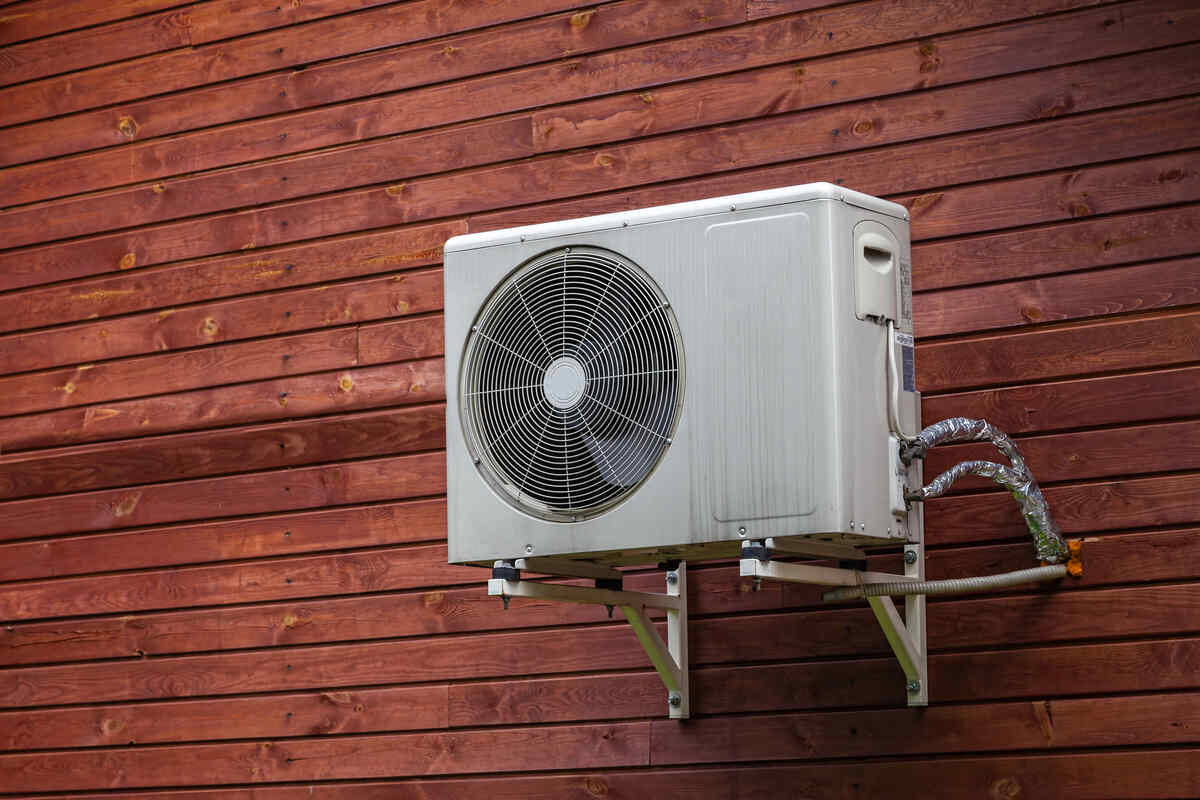
Technological advancements are at the heart of making air conditioning greener, with modern HVAC systems demonstrating remarkable improvements in efficiency. According to the U.S. Department of Energy, contemporary HVAC systems can cut down heating electricity use by up to 75 percent compared to older models. This represents a substantial reduction in the home’s energy consumption, translating into lower utility bills and reduced environmental impact.
Such enhancements in efficiency are achieved through the integration of advanced technologies and better design practices. Today’s systems use variable speed compressors, improved heat exchangers and smart control systems to optimize energy use while maintaining the desired comfort levels. It’s not just about cooling your home anymore; it’s about doing so in the most energy-conscious manner possible.
These innovations mean that even as the demand for air conditioning grows with rising global temperatures, the energy consumption associated with cooling homes can decrease. As more households and businesses shift to these more efficient systems, the cumulative environmental benefits will be significant, furthering the move towards a greener future.
Smart Thermostats: Enhancing Energy Management
Smart technology is another frontier in the quest for greener air conditioning solutions. Smart thermostats, like the ones analyzed in the Google Nest Thermostat Study, can decrease energy use for heating and cooling by 8 percent or more. By leveraging data and learning algorithms, these devices optimize HVAC operations to match users’ schedules and preferences, making homes more energy-efficient.
These intelligent devices allow users to control their air conditioning systems remotely, enabling precise adjustments that minimize energy waste. The ability to program and automate temperature settings ensures that energy isn’t wasted on heating or cooling an empty home. As a result, smart thermostats offer a proactive approach to energy conservation, aligning convenience with environmental considerations.
The proliferation of such technology contributes significantly to reducing the overall carbon footprint of domestic energy consumption. In tandem with enhanced HVAC systems, smart thermostats are part of a larger ecosystem of home technologies that work together to achieve greater sustainability goals, emphasizing the importance of integrating smart solutions in modern homes.
The journey towards greener air conditioning technology involves both legislative actions and technological advancements. By adopting policies like the AIM Act and embracing innovations like efficient HVAC systems and smart thermostats, the industry is moving towards more sustainable cooling solutions. These advancements not only promise a smaller carbon footprint but also enhance the comfort and energy efficiency of homes.


