

Recycling has become a cornerstone of green living, but simply tossing items into the blue bin isn’t always enough. Many households want to make a positive environmental impact, yet common habits can limit the effectiveness of recycling efforts.
However, by understanding how recycling fits into a broader sustainable lifestyle and making a few smarter choices, you’ll be able to create a greener, healthier home environment.
Recycling Awareness Needs Improvement
Recycling is widely recognized as important, but awareness doesn’t always translate into action. According to Environment.co, 76 percent of consumers across the U.S. and Europe say they value recycling. That’s a strong majority, yet contamination in recycling bins and inconsistent habits are still major issues in many households.
One reason for this gap is confusion. Many people aren’t sure which materials are actually recyclable in their local area. Items like greasy pizza boxes, plastic bags or mixed materials often end up in recycling bins when they shouldn’t be, which leads to entire batches of material being rejected.
To recycle more effectively, it’s important to:
- Learn your local recycling guidelines
- Rinse containers before placing them in the bin
- Avoid “wishcycling” (putting questionable items in and hoping they’re recyclable)
Awareness is a great first step, but accurate habits are what truly make a difference.
Smart Choices Protect Natural Resources
Recycling doesn’t just reduce landfill waste. It also helps protect natural resources, including water. This is especially important for households that depend on private water systems. According to the Environmental Protection Agency, more than 23 million U.S. homes get their drinking water from private wells.
Improper waste disposal can lead to harmful chemicals seeping into the ground and contaminating groundwater supplies. Items like batteries, electronics and household chemicals should never be thrown into regular trash or recycling bins without proper handling.
To help protect water quality:
- Take hazardous materials to designated disposal facilities
- Avoid pouring chemicals down drains or onto the ground
- Recycle electronics through certified e-waste programs
For households using private wells, these precautions are even more critical. Small actions can help prevent long-term contamination and ensure cleaner, safer drinking water.
Creating a Healthier Indoor Environment
Green living isn’t just about what you throw away; it’s also about the space you live in. According to the U.S. Environmental Protection Agency, Americans spend as much as 90% of their time indoors, often in home or office environments.
This makes indoor sustainability just as important as outdoor efforts. Poor recycling and waste management can contribute to indoor pollution, especially when clutter builds up or when non-recyclable materials accumulate.
You can improve your indoor environment by:
- Reducing unnecessary packaging and single-use plastics
- Organizing recycling areas to prevent overflow and odors
- Choosing eco-friendly products with minimal waste
Cleaner, more intentional spaces don’t just help the environment. They also support better air quality and overall well-being.
Beyond the Blue Bin: 5 Practical Tips
If you’re ready to take your recycling habits to the next level, consider these five simple but effective strategies.
Reduce First and Recycle Second
Focus on cutting down waste before worrying about how to dispose of it.
Buy With Recycling in Mind
Choose products made from recyclable or recycled materials.
Compost Organic Waste
Food scraps and yard waste can be diverted from landfills entirely.
Reuse Whenever Possible
Things like glass jars, containers and bags can often serve multiple purposes
Stay Informed
Recycling rules can change, so check for local updates regularly.
These five steps will help you take a more complete approach to sustainability—one that goes far beyond the recycling bin.
Simple Habits Lead to Meaningful Change
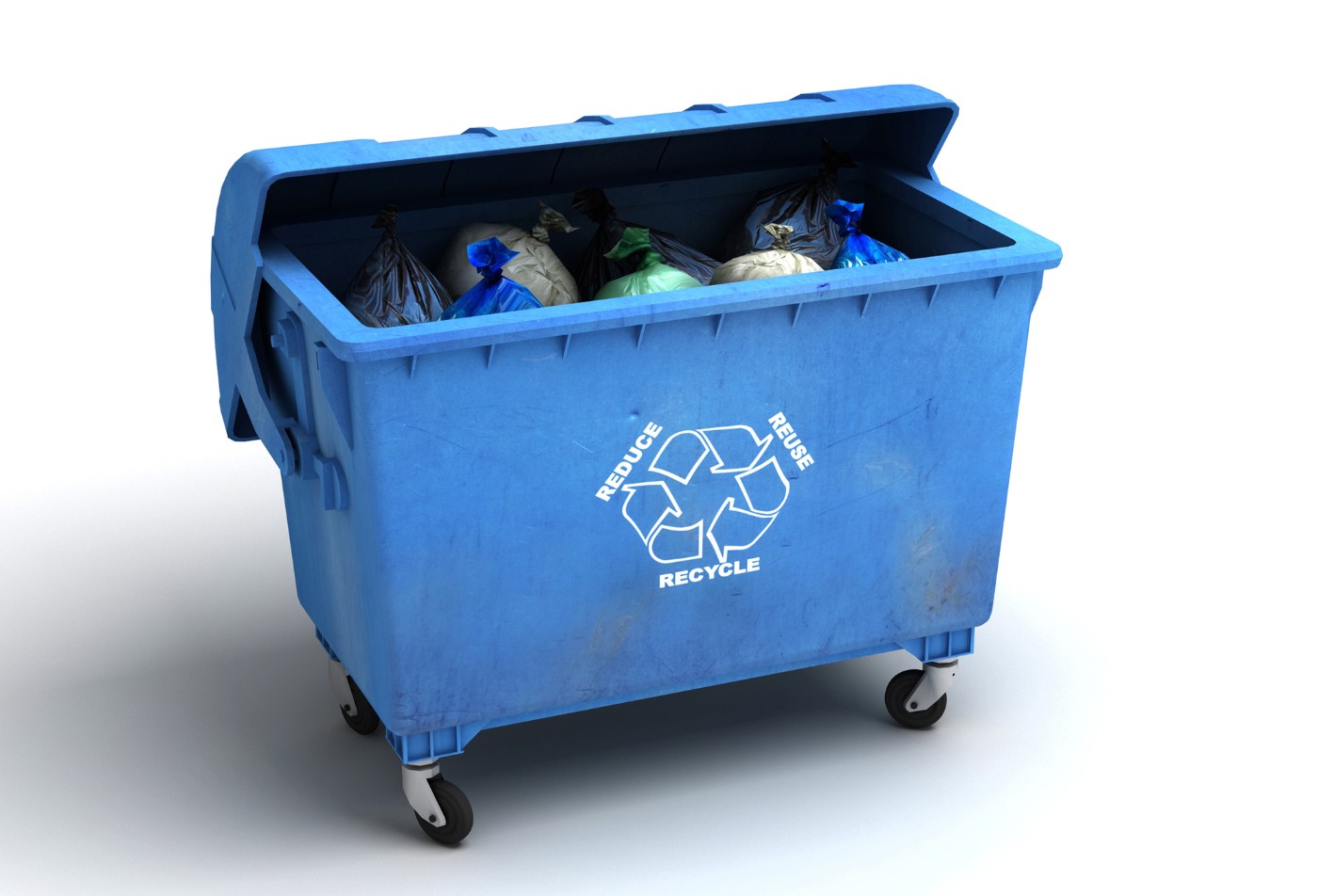
Recycling is an essential part of green living, but it’s only one piece of the puzzle. While most people recognize its importance, improving how we recycle and expanding our efforts to reduce waste, protect water and promote indoor sustainability can yield a much greater impact.
By making smarter, more informed choices every day, you can turn simple habits into meaningful environmental change and create a greener home for the future.
Read more on this topic in Why Reducing Water Waste Is Essential for Sustainable Living
Images from Depositphotos


