

Creating a garden for your tiny home may seem challenging, but it’s a fantastic way to make your space greener, more enjoyable and eco-friendly. With some thoughtful planning, you can design a sustainable garden that suits your small space and lifestyle. Here’s how you can create a beautiful garden that supports the environment.
Plan Your Space Wisely
Before you start planting, take a close look at your available space. Do you have a balcony, rooftop or a small yard? With a dash of creativity, even a windowsill or wall can be transformed into a garden.
Grow plants vertically to save floor space. Wall-mounted planters, trellises or hanging pots allow you to cultivate various plants in a small footprint. If you have limited ground space, consider growing your plants in containers. Choose pots that fit your space and are made from eco-friendly materials like terracotta, bamboo or recycled plastic.
For a tiny yard, raised beds can provide ample growing space and improve soil drainage. The bed frame can be made of reclaimed wood or other sustainable materials.
Choose Native and Drought-Tolerant Plants
Opt for native plants that are well-suited to your region’s climate. These plants typically require less water, fertilizer and pesticides, which helps conserve resources. They also support local wildlife and require minimal maintenance. Visit a local nursery or do some research to find species that thrive naturally in your area.
If you live in a place prone to dry spells, select plants that can handle minimal watering. Succulents, lavender and sage are great examples of hardy, water-wise plants ideal for sustainable gardening.
Use Organic Soil and Compost
Healthy soil is essential for a thriving garden. Invest in organic soil, which is free from harmful chemicals and better for your plants and the planet. Look for certified organic soil that supports plant health without synthetic fertilizers. This soil type also helps retain water, reducing the need for frequent watering.
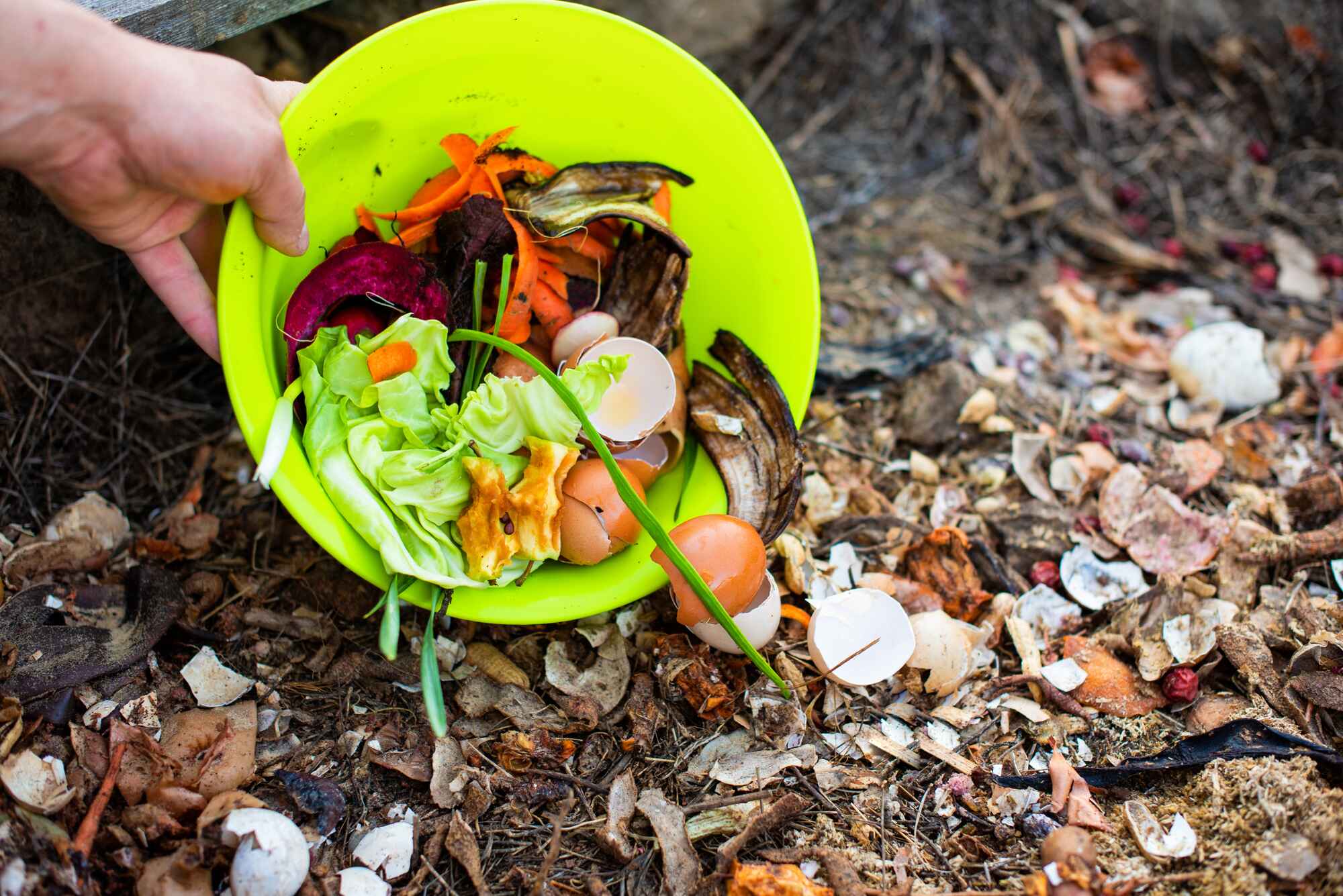
Additionally, composting is a fantastic way to reduce waste and nourish your plants. Even in a small space, you can create compost using kitchen scraps like fruit peels, vegetable waste and coffee grounds. Consider a compact compost bin or a worm bin for vermicomposting.
Water Efficiently
Conserving water is vital in a sustainable garden. With simple practices, you can minimize water use without sacrificing plant health.
Install a drip irrigation system to deliver water directly to the plant roots. This method reduces water waste and ensures your plants get the moisture they need. You can also collect rainwater for your garden by placing a small rain barrel beneath a downspout or in an open area to capture rainwater for later use.
Mulching is another idea worth considering. Add a layer of organic mulch — like wood chips or straw — around your plants. Mulch retains moisture, reduces the need for frequent watering and helps prevent weeds.
Create a Pollinator-Friendly Space
Pollinators — such as bees, butterflies and birds — play a vital role in the health of your garden and the environment. Attracting them to your tiny home garden will encourage a thriving ecosystem.
Opt for plants like purple coneflowers and black-eyed Susans that attract pollinators. Aim for various colors and bloom times to provide food throughout the seasons, and add a water source. Even a shallow water dish can be a lifesaver for bees and butterflies. Place pebbles in the dish to give pollinators a safe spot to drink.
Chemicals can harm pollinators. Instead, use natural pest control methods like neem oil or introduce beneficial insects — such as ladybugs — to handle pests in your garden.
Recycle and Reuse Materials
Reducing waste is key to a sustainable garden. Recycling and reusing materials minimize your environmental impact and save you money. Repurpose old containers, like tin cans, jars or even old shoes, as plant pots. Be creative and think outside the box!
For trellises or garden borders, consider using reclaimed wood, metal or bricks. These materials add charm and reduce the demand for new resources. Use items you already have — like broken pottery pieces or popsicle sticks — as plant markers. This small step helps prevent waste and personalizes your garden.
Grow Your Own Food
Even with limited space, you can grow some of your food, reducing your carbon footprint and enjoying fresh produce.
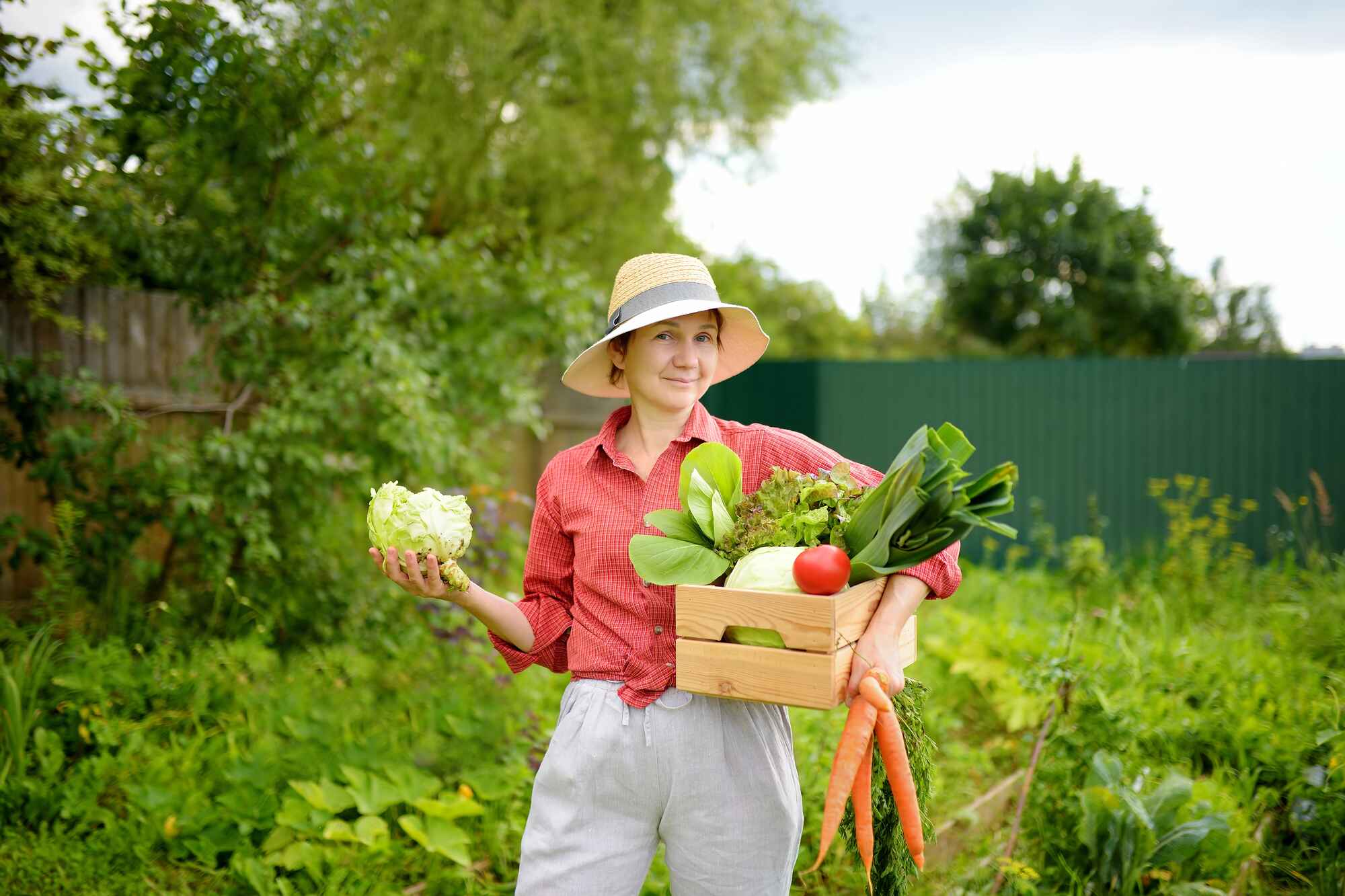
Basil, mint and parsley are compact and easy to grow indoors or on a windowsill. Herbs need at least six to eight hours of sunlight daily, so a sunny windowsill would be best. You can also choose vegetables like tomatoes, peppers or radishes that grow well in containers. Many leafy greens and root vegetables do well in small spaces.
Edible flowers such as nasturtiums, snapdragons, pansies and calendula are beautiful, attract pollinators and are edible! Adding them to your garden adds color and culinary value.
Create a Green Living Space
Your garden can be more than just a place for plants. Incorporate elements that make it a relaxing and enjoyable space. Even a small bench or a couple of stools can make your garden a cozy spot to unwind. Rocks, driftwood or other natural items can enhance the space without adding waste.
Looking for an eco-friendly way to illuminate your garden at night? Solar-powered lights are an excellent option. Place them strategically to highlight your plants and create a warm ambience.
Transform Your Tiny Home Garden Into a Green Oasis
With thoughtful planning and sustainable practices, your tiny home garden can become a lush, eco-friendly oasis. By choosing native plants, conserving water and using recycled materials, you create a beautiful space that contributes to the environment. Embrace your creativity and start building your sustainable garden today — you’ll enjoy the benefits for years!
Images from Depositphotos


