

Building a home that combats the consequences of climate change requires considerations beyond laying bricks and selecting paint colors. People increasingly want to create self-sustaining sanctuaries with smaller carbon footprints. If living off the grid appeals to you, here’s everything you need to consider when building your dream green home in 2025.
1. Choose Sustainable Building Materials

Your journey to eco-conscious living must begin with the materials. Choose locally sourced, renewable or recycled options like bamboo, reclaimed wood or steel. These durable materials help you live in harmony with Mother Nature without sacrificing aesthetics.
2. Lay a Well-Insulated Foundation
Your home’s foundation is critical for energy conservation efforts. Newly endorsed materials like insulated concrete forms are excellent at thermal insulation, showing additional savings from reduced HVAC use. Frost-protected shallow foundations, a standard in cold-weather regions like Scandinavia, use strategically located insulation that allows for 16-inch deep foundation depths even in extreme winter conditions.
If you build on unstable, sloping land, insert soil nails to enhance stability, minimize soil disruption and improve construction outcomes. These structural reinforcement elements resist tensile forces and promote the ground’s natural strength.
Insulation prevents heat loss and lowers heating and cooling expenses in the long run, while keeping your home comfortable throughout the year. Natural fibers are viable alternatives to conventional insulation. Sheep’s wool, hemp and cork maintain consistent indoor temperatures without the adverse environmental effects of traditional fiberglass.
3. Invest in a Cool Roof
After considering your new home’s bones, you can begin planning from the top. Your roof is another critical aspect of contributing to a green home, especially in terms of energy efficiency. Reflective roofing reduces the heat the house absorbs to help keep it cool during warmer months. Attic ventilation is also crucial to prevent heat buildup that might lessen your cooling system’s efficiency.
If you live in a cold climate, consider energy-efficient ways to retain heat. Materials like clay, tile and slate offer high thermal mass, helping your heaters warm up the home more efficiently.
4. Harness Solar Power
Installing a solar panel array on your roof can significantly reduce your reliance on the grid and slash your energy bills. Modern panels are efficient, flexible and have a low profile that meshes well with any home’s design.
You can expand your capabilities by integrating a solar water heater and outdoor lighting. Though the upfront installment costs can be steep, the long-term savings and environmental benefits make it worthwhile. Plus, solar power is critical in your net-zero living efforts.
5. Install Energy-Efficient Features
A sustainable home prioritizes energy efficiency. Beyond solar panels, you can purchase energy-saving appliances and LED lighting to establish a smart home ecosystem.
Programmable thermostats learn your heating and cooling habits to minimize wasted energy. Energy-efficient windows and doors contribute to maintaining indoor temperatures, reducing the hard work your HVAC has to do.
6. Conserve and Recycle Water
A green home maximizes its use of available resources while minimizing its waste. Water is a finite resource that you can conserve in your dream home.
Start by installing low-flow fixtures in bathrooms and kitchens. Use rain catchment barrels to collect and store rainwater, which you can then reuse for purposes like gardening and flushing toilets. For a full net-zero living experience, expand your system to treat harvested rainwater for all household uses — including potable water.
7. Design Green Landscaping
Work with nature and expand your green philosophy beyond the walls of your home. Native plants thrive best in your local climate and require less water and pesticides than introduced and invasive plants. When choosing paving materials, consider porous options that allow rainwater to seep into the ground and replenish the water table instead of contributing to runoff and water pollution.
Sustainable gardens also minimize water consumption while providing food. An efficient composting system can reduce household waste while contributing to your garden’s soil health.
8. Reduce, Reuse, Recycle
A completely green home minimizes waste throughout its life cycle. Reduce your consumption by reusing and recycling items as often as possible, giving them new life.
Design spaces in your home with this in mind. Designate built-in bins for efficiently sorting recyclable materials and plan for mess-free composting systems that turn food waste into valuable garden nutrients.
Even the durable, sustainable materials used during construction reduce the need for frequent repairs, contributing to this philosophy.
9. Plan for Renewable Energy Backup
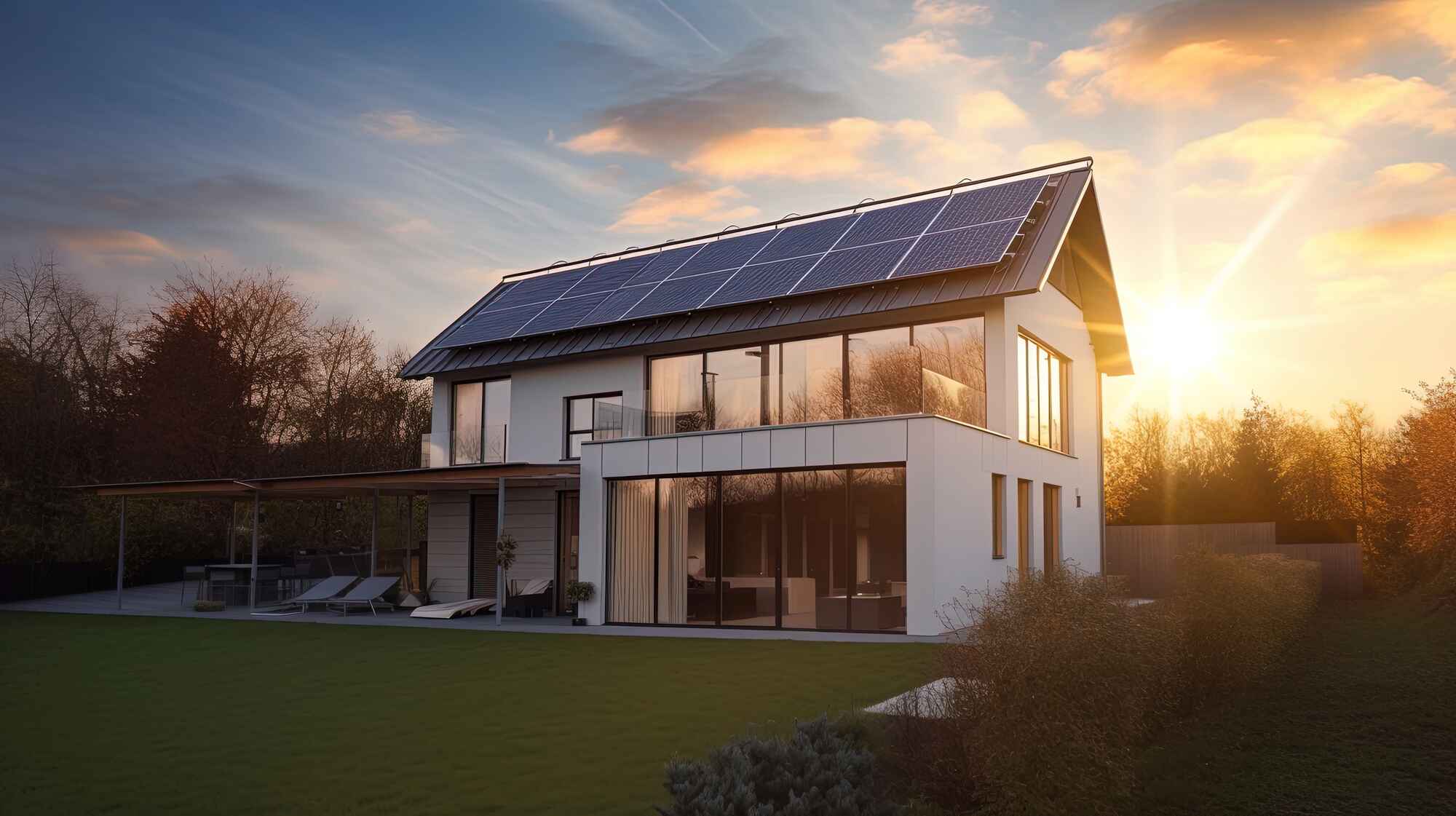
If your location permits, consider harnessing wind energy alongside solar panels. Small wind turbines can complement solar power to ensure consistent energy generation.
Battery systems allow you to store energy during high-production days to use for peak consumption hours or to have a reliable backup during power outages. These devices are convenient while reducing your reliance on fossil fuels.
10. Build to Last
Finally, sustainability means building to last. It’s not only about reducing your environmental impact for a single day — you must also plan for your footprint in the future. Using long-lasting, eco-friendly materials minimizes the need for constant replacements and repairs.
Make Your Dream Green Home a Reality
The ultimate goal of eco-friendly building efforts is to make a self-sustaining home. It’s not a fleeting trend, as building and living sustainably is gaining momentum thanks to environmental demands. Today is the time to rethink your values and strategies — beyond building homes, homeowners are also creating a community that prioritizes the environment and respects the planet.
Images from Depositphotos


are the hobbit houses real and actually built ?