

Keeping yourself and your family warm in winter is essential to stop colds and flu ruining the winter season. Keeping the home warm is no easy challenge in the coldest months and it often comes at great expense. Choosing energy-efficient ways to heat your home over winter will not only reduce harmful emissions but can also save you money in the long run and ensure you get the most out of the heat you have.
Switch Energy Suppliers
There are many energy-efficient suppliers available in the U.S., meaning you can switch to a renewable energy supplier that uses green energy. This means they can supply your home with energy through natural methods, such as wind power.
This will reduce the amount of carbon dioxide emissions your household is accountable for. You will also get lower charges if you use renewable energy to power your heating. Use a comparison website to find the best tariffs.
Get a New Water Heater
In the winter, it can be a lot more expensive to get hot water, as pipes will be colder if they’re not insulated. If you have an old water heater, it will also take more energy to heat your water. An energy-efficient water heater can save you a lot of money on your electricity bills and can heat your water quickly, so you are ready for a nice hot shower or bath in the winter months. This is also perfect if you choose to heat your home with hot water pipes (see below).
You can find the most energy-efficient water heaters by looking for the ENERGY STAR label. ENERGY STAR-labelled water heaters will not only save you money each year, but also reduce your household carbon emissions. Make sure you research different kinds of energy-efficient water heaters to determine which will be best for your home, depending on which state you live in.
Insulate
This is an obvious one yet so many households do not have good insulation in their homes. Check windows, doors, and your roof for signs of heat loss. Around 25% of the heat in your home is quickly lost through your roof, meaning your home won’t stay warm or you will need to use more energy to keep it heated. Putting down your insulation isn’t too difficult; there are many DIY videos on YouTube to get you started.
Getting everything you need for proper insulation in your roof may be costly, but in the long run, it will help you save money on your energy bills and keep your house comfortable and warm in the cold seasons. If your windows or doors are drafty, find some rubber seals that can simply be stuck on to prevent any drafts. These don’t cost much and can make a huge difference, especially if you live in a windy area.
Insulating your hot water tank is another way to cut down on your bills and keep the water hotter for longer. This also doesn’t cost much to do but could save you money on your water heating bills. You should insulate your home before the winter season for best results.
Open the Curtains (During the Day)
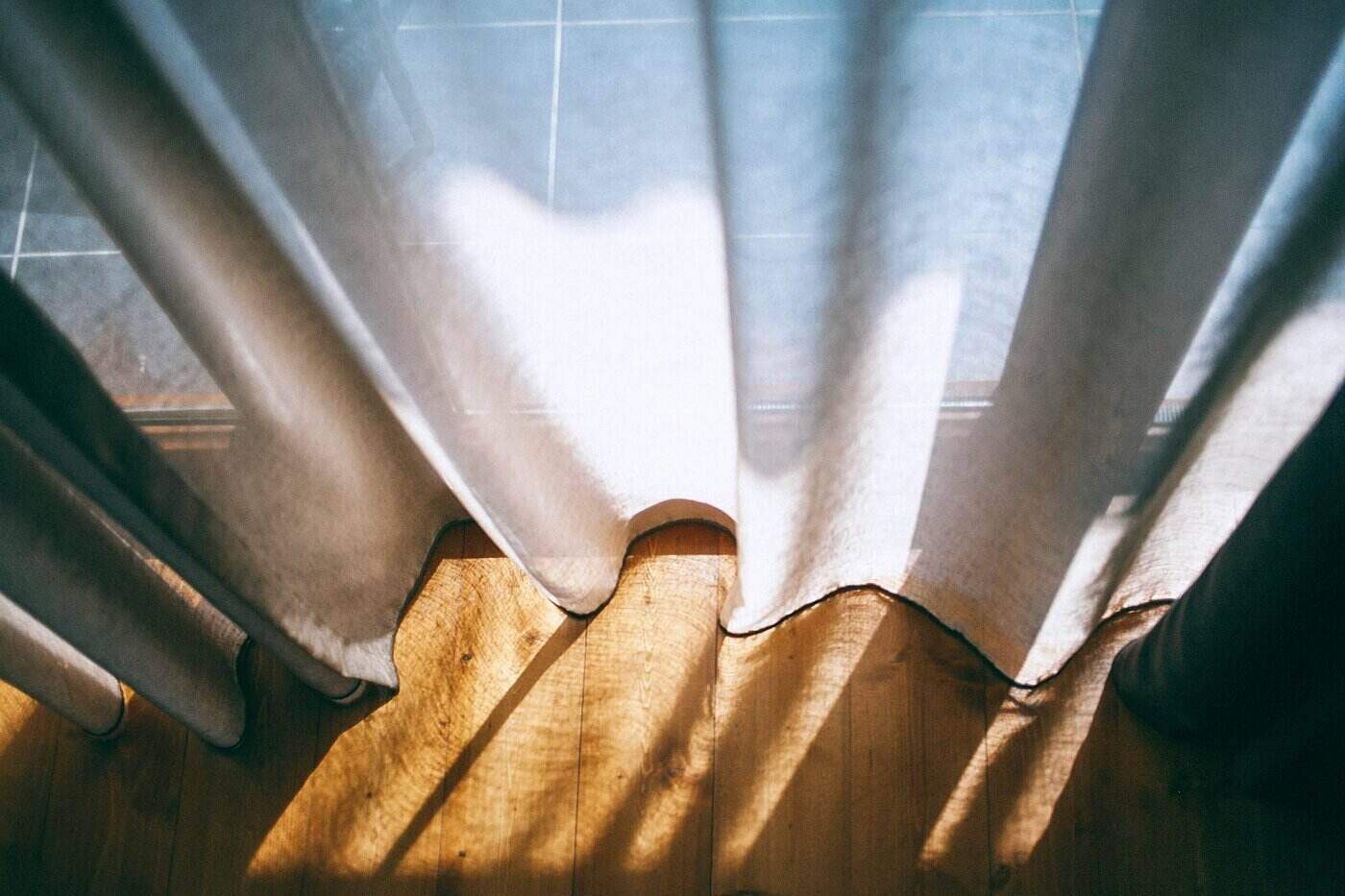
In the daytime, keeping your curtains open will allow the sunlight to heat your home, even in winter. In the coldest months, it may seem as though there is no heat outside, but especially when the sun is still shining, that heat can help to keep your home warm or maintain the temperature in your home.
Once you get home and it becomes dark, shut them again to provide extra insulation against drafty windows. Using a thick set of curtains is another way to insulate, too.
Use Underfloor Hot Water Pipes
Many new properties now come with underfloor hot water pipes, known as radiant heating. Not only is this one of the most energy-efficient ways to heat your home over winter, but it can also save you money. Radiant heating is where the hot water pipes are installed under your floorboards. This will keep the rooms warmer and is especially great for those who have wood or laminate flooring.
Heating from the floor is the best way to heat a room, as heat naturally rises. This kind of heating will provide efficient and consistent heat. The hot water pipes will also provide insulation for the winter months. If you are building your own home or renovating a property, consider installing hot water pipes under the floorboards. This can be done without extensive work, but it will cost more.
Use a Programmable Thermostat
Being able to program your thermostat to switch on at a certain time or maintain a certain temperature will minimize the amount of energy you use to heat your home. Setting the heating to turn on and off will ensure the house is warm for when you come and go, without you having to worry about turning the heating off.
Leaving the heating on all night can cost a lot and isn’t energy-efficient, as you are sleeping under the duvet and will likely become too warm. You can set your heating lower at bedtime and turn it back up an hour before everyone wakes up, meaning you can wake up to a sufficiently warmed house. 64.4 °F is a great temperature to set on your programmable thermostat if you want to keep the house warm and lower the heating bills.
Change Your Furniture Around
Many people don’t have their furniture in optimal positions to keep their homes warm. For instance, if your couch is directly in front of a heater or radiator, it is going to take in most of that heat, instead of the heat being spread evenly around the room.
Make sure there is no furniture blocking your heating supply, to ensure the hot air can circulate the room evenly. Keep seating and beds away from drafty windows and doors too, to keep yourself warmer in winter.
These tips can help you to heat your home in the winter months whilst keeping it as energy efficient as possible.
Feature image: Clint Patterson; Image 1: Maria Orlova


