

We hear pretty regularly that indoor air quality is important to our health. But what makes indoor air quality good or bad? How do you know if you have good indoor air quality? And maybe most importantly, where does indoor air pollution come from and how do we stop it? This post will dig deep to find some answers.
What is “Indoor Air Quality” and Does it Really Matter All That Much?
Indoor air quality (or IAQ) really just refers to “the air quality within and around buildings and structures, especially as it relates to the health and comfort of building occupants,” says the EPA. Straightforward enough, but what do we mean by quality?
Measuring the quality of indoor air means measuring levels of contaminants and pollutants in the air around us. This can be particulate matter, gases, airborne chemicals and organic matter like mold spores and dust mites. The higher the levels of those things, the lower the indoor air quality. Air quality is also impacted by humidity, pressure and temperature.
As it turns out, lots of us have been living with some really bad air quality. EPA studies have found that “indoor levels of pollutants may be two to five times—and occasionally more than 100 times—higher than outdoor levels.”
And since humans spend about 87% of our lives inside of buildings (and 6% enclosed in our cars!), these levels of pollution are worth paying attention to.
What Are the Most Common Sources of Air Pollution?
There are many different sources of contaminants that can find their way into your home. Outdoor air pollution is an obvious one. If you live in an area where outdoor pollution is high, those contaminants can move into your home. They pass through your home’s ventilation systems, as well as through small gaps and cracks, causing your indoor air quality to suffer.
Other obvious sources of pollution have to do with combustion heating. A wood-burning fireplace, for example, is going to add to the particulate load of the air inside. Natural gas, oil and coal burning heating systems (including gas ovens) add gases like carbon monoxide, sulphur dioxide and nitrogen dioxide to the air.
Mold is another common source of poor indoor air quality, as are pesticides.
Less evident sources of air pollution come from cleaning, home repair, personal hygiene and beauty products. They seem pretty innocuous, and it’s easy to imagine that once a scent stops smelling powerfully, that the product has gone away somehow.
The range of toxins that persist in the air when we use household products is dizzying, though, and there’s research to show that even personal care products are adding to air pollution loads.
Even more insidious sources of pollution are building materials. New materials from renovations and redecorations—materials like carpet, particleboard, pressed wood products, vinyl, even furniture and curtains—can off-gas anything from flame retardants they might be coated with to VOCs such as formaldehyde, toluene and benzene.
These materials can off-gas for years to come, so you might have toxins leaching into the air even if you haven’t recently done any renovation work. If you’re concerned, or curious, about the levels of indoor air pollution in your home, you can find indoor air quality monitors on the market that might give you helpful information.
Effects of Indoor Air Pollution
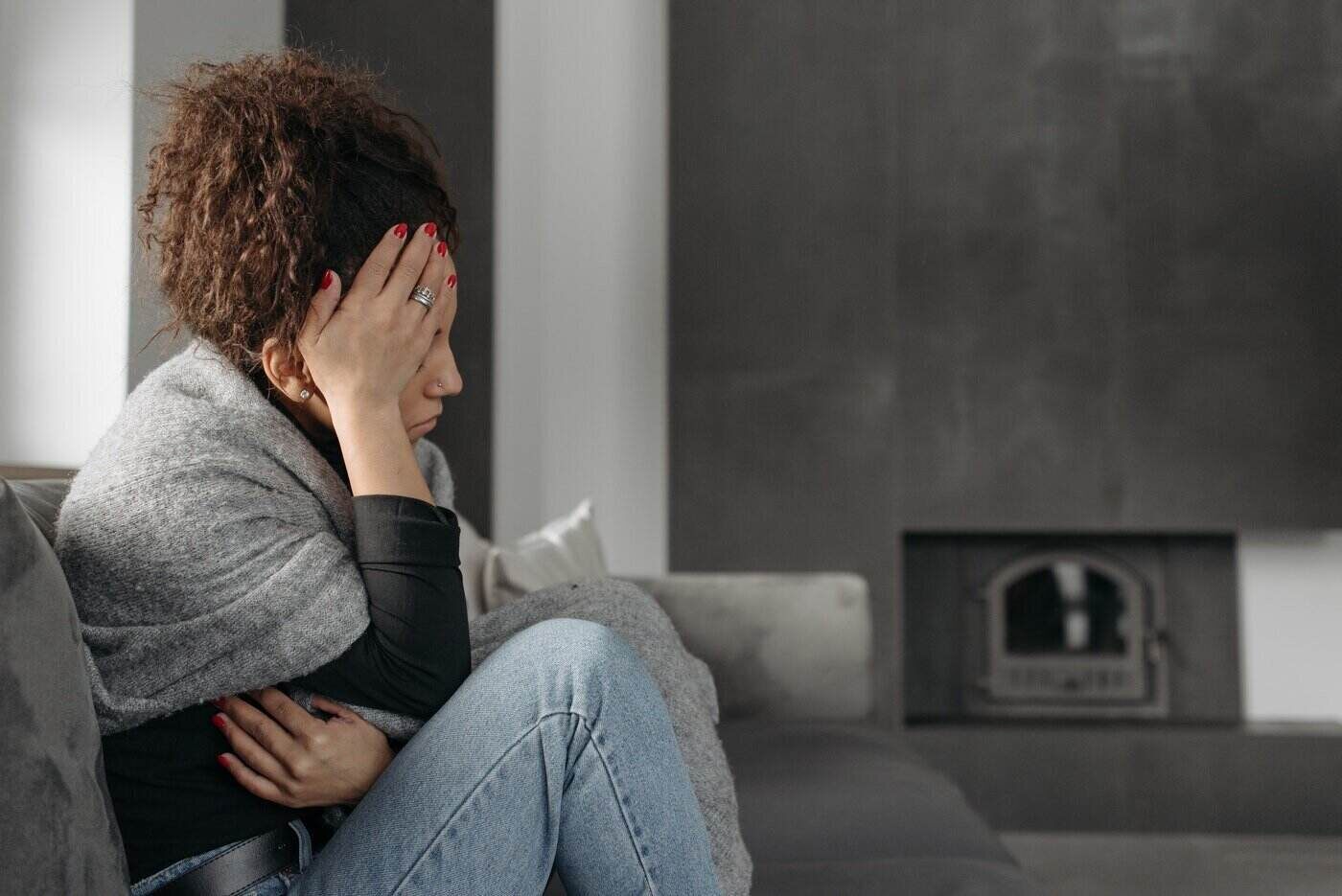
The Canadian Lung Association offers these common signs and symptoms that people who have been exposed to indoor air pollution might experience:
- Headaches, fatigue, and shortness of breath
- Worsening allergy and asthma symptoms
- Sinus congestion, cough, and sneezing
- Eye, nose, throat, and skin irritation
- Dizziness and nausea
Over time, the effects of indoor air pollution can add up and lead to more serious illnesses including heart and lung diseases, issues with endocrine and nervous systems, as well as cancer.
These chronic effects will have a greater impact on more vulnerable people like children, elderly people and those already struggling with health issues, so it’s generally noted by researchers and industry leaders that there’s a social justice impact embedded in this problem.
In fact, the World Health Organization has some sobering facts about indoor air pollution that remind us that this is a serious global issue. They state that “3.8 million people a year” in low to middle-income countries “die prematurely from illness attributable to the household air pollution caused by the inefficient use of solid fuels and kerosene for cooking.”
Like climate change, pollution—indoor and out—will disproportionately effect people who have the least amount of power to change their circumstances.
Signs Your Indoor Air Quality Might Not Be Great
Often the easiest way to figure out if your home’s indoor air quality is poor is to consider the health of the people living in it. If someone in the house starts experiencing signs or symptoms after new materials or household products have been introduced, that person could be experiencing an acute exposure reaction.
If one or more people persistently suffer from the above symptoms, indoor air quality monitoring might be worth investigating. After, of course, a talk with your doctor.
Signs that your home itself might exhibit include poor ventilation, unpleasant smells, mold or mildew, issues with water damage, humidity levels that are too high or too low, dust build-up, especially around vents, and air that feels stale, as if it isn’t moving.
What You Can Do About Indoor Air Pollution
There are many steps you can take to improve indoor air quality. Open windows regularly. Keep your HVAC system in good repair. Clear up any water issues and tackle mold and mildew.
If you can adjust humidity levels in your home, keep them between 30 and 50%, which is the ideal humidity level, according to every expert I could find on the internet.
As in many things, prevention is the better cure. Keep toxic household products out of your home and choose natural, sustainable materials for renovation projects.
Voice your concerns about toxic materials with store owners, builders, contractors, suppliers and manufacturers. They might be able to offer you lower-impact options. And if they can’t, you’ve at least put a bit of pressure on to create some change.
Feature image: Canna Curious Club; Image 1: Pavel Danilyuk


