

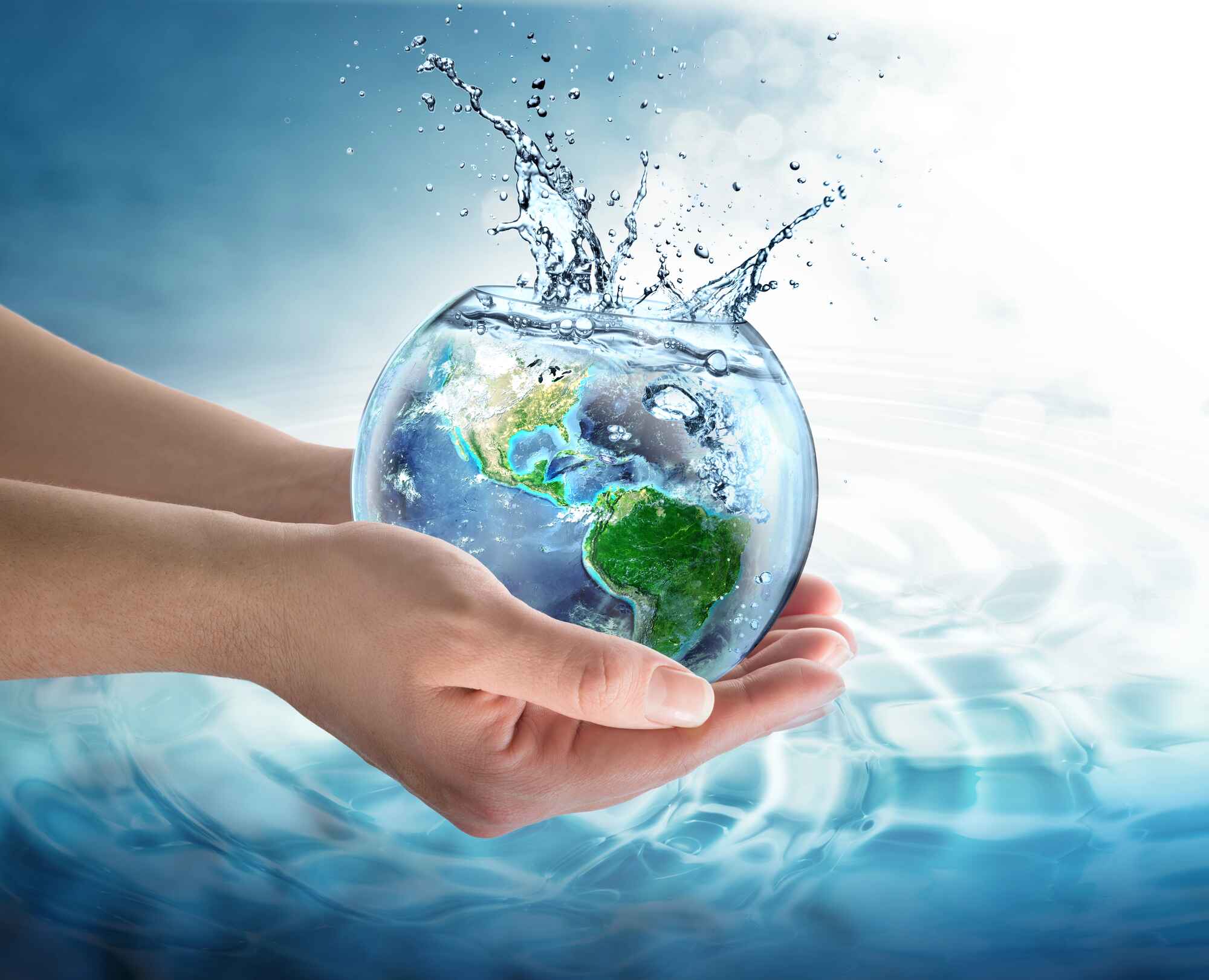
Water is an essential resource, yet many people may not realize how much they consume daily. On average, an individual in the United States uses around 82 gallons of water each day in their home. Reducing water consumption requires a conscious effort and smart strategies.
Most households are not aware of the steps they can take to ensure their water use is efficient. Simple changes can lead to significant reductions in water consumption without sacrificing comfort or convenience. Making a habit of water-saving practices can have a lasting impact on the environment and your bills.
In order to preserve our planet’s water resources, we need to first understand our consumption habits. With the average daily household usage being so high, there is considerable room for improvement. A more mindful approach to water use can result in substantial water preservation across the country. Let’s discuss how you can preserve water around the house with some simple yet effective tips.
The Role of Home Irrigation Systems
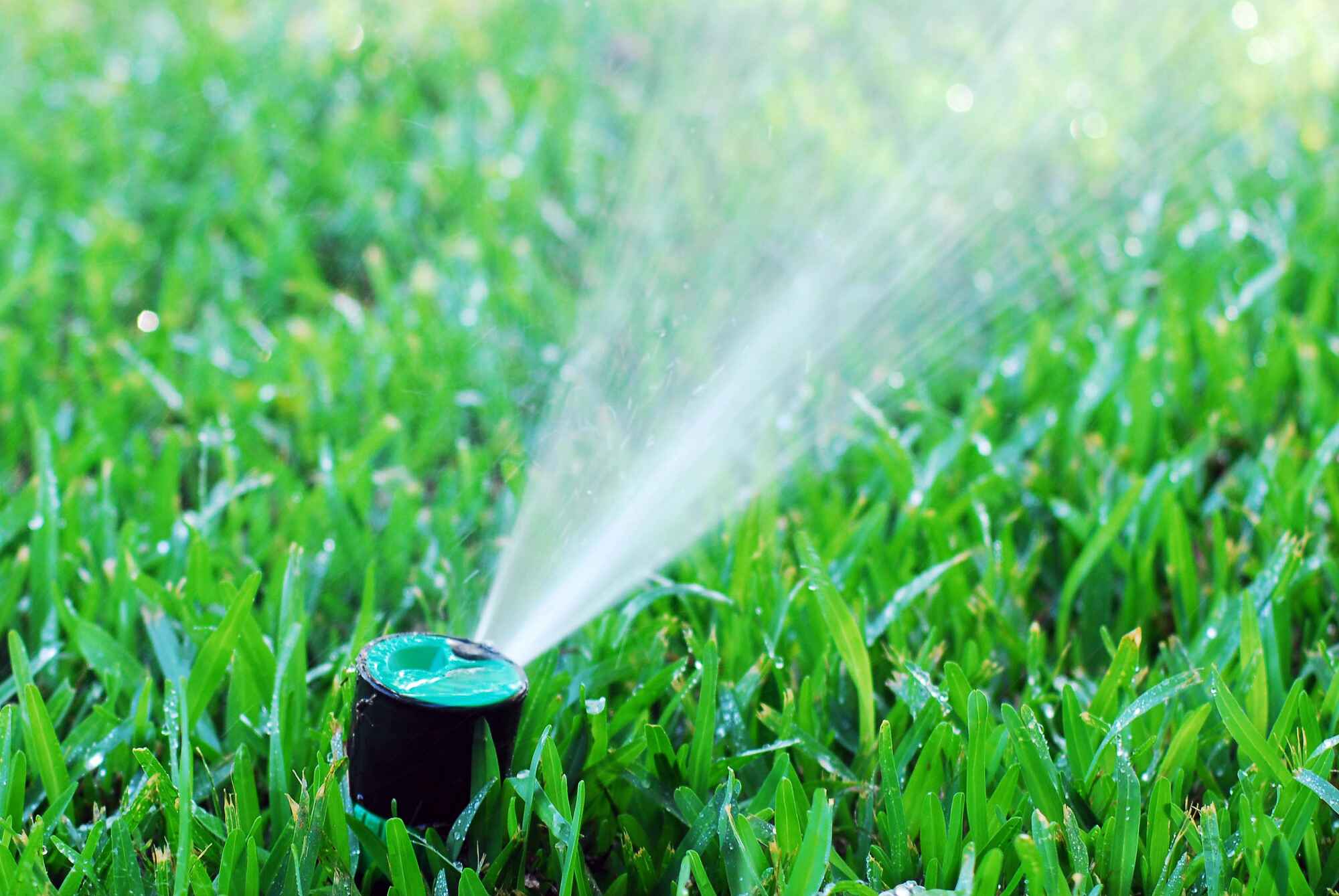
An efficient irrigation system can be a valuable asset in managing water use, yet not all systems achieve this goal. Nearly one in five homes in America utilizes automatic irrigation, but many of these systems are not properly optimized. This inefficiency often leads to overwatering and water wastage.
Improving the efficiency of irrigation systems can save significant amounts of water. By conducting regular check-ups and employing smart technology, homeowners can ensure their systems are operating effectively. This can involve adjusting the timing and frequency of water cycles to match the actual needs of the landscape.
Understanding and optimizing your home’s irrigation system plays a crucial role in water conservation. It’s important to regularly assess its performance and make necessary adjustments. Such actions not only conserve water but also promote healthier plant growth.
Daily Practices to Reduce Water Use
There are numerous small changes individuals can make in their daily routines to conserve water.
Simple acts, such as turning off the tap while brushing teeth or taking shorter showers, can collectively make a big difference. By conscientiously implementing these habits, individuals can significantly contribute to water preservation at home.
In addition, investing in water-efficient appliances can lead to substantial savings. Products like low-flow faucets, showerheads, and water-saving toilets are designed to use less water without compromising performance. Making these upgrades in the home can drastically cut down on water consumption.
Eco-friendly habits adopted within the home create a ripple effect of benefits. Not only do they help preserve water resources, but they also reduce utility bills and support sustainable living. As these practices become second nature, their positive impact on the environment will grow. Read these tips to cut down your water usage by 50 percent!
Maximizing Water Use in the Garden
The garden is a significant area where water preservation can be improved. Incorporating native plants that require less water and using mulch to retain moisture are effective strategies. Tailoring the garden to the local climate ensures minimal water use while still maintaining a vibrant landscape.
Drip irrigation systems offer another avenue for efficient garden watering. They deliver water directly to plant roots, minimizing evaporation and excess usage. Incorporating such systems into your home gardening practices can lead to meaningful reductions in water consumption.
Gardens provide a unique opportunity for homeowners to employ water-saving techniques. Thoughtfully planned, they can thrive on reduced water, demonstrating that lush landscapes do not have to be water-intensive. This balance between beauty and efficiency contributes to overall home water preservation efforts.
The Broader Impact of Water Preservation
Water conservation at home extends beyond individual impact, influencing broader community efforts. With the United States using approximately 400 billion gallons of water daily, small changes can collectively add up to noteworthy reductions.
By each household committing to being more mindful, the cumulative effect can ease the strain on national water resources.
The preservation of water is integral to sustaining ecosystem health and ensuring future availability. As awareness grows, the collective action of conserving water can significantly halt environmental degradation. Each drop saved is a step towards a more sustainable and resourceful future.
Ultimately, achieving substantial water conservation requires a shift in mindset and habits. By embracing new strategies and technologies in our homes, we can make a meaningful contribution to water sustainability. As every small action aggregates, the community at large will reap the many benefits of reduced water consumption.
Images from Depositphotos


