

It stinks, it’s gross, and it can happen to you. Your sewer line just backed up. Now what do you do? Knowing the right steps to dealing with a sewer line backup will help prevent damage to your property and get your plumbing system back in operation as quickly as possible. Give this guide a read then put it into action and you’ll be back to enjoying your peaceful time on the loo in no time.
What are the Causes of a Sewer Line Backup
A sewer line backup happens when wastewater enters your house through your plumbing (toilets, sinks, showers, bathtubs or floor drains) rather than exiting. If it’s bad enough it can even flood parts of your house.
Sewer lines can get backed up in a few ways: from excessive blockages like hair, grease or foreign objects that prevent the pipes from draining properly; tree roots can break through pipes, especially older clay pipes; flooding or excessive rainfall can overwhelm the city’s sewer systems; sewer lines can deteriorate over time, which restricts water flow.
5 Steps to Take When a Sewer Backup Occurs
1. Stop Using Water
The first and most crucial step is to stop all water usage in your home. Do not flush toilets, use sinks, or run appliances that use water (e.g., washing machines, dishwashers). Continuing to use water can exacerbate the backup and increase the risk of flooding.
2. Protect Your Property
If water is backing up into your home, especially in areas like the basement, take these steps to minimize damage:
Turn off electricity and water – If your breaker is not located where flooding is happening then it’s a good idea to turn it off, as well as the water. But if water is pooling around your breaker panel call an electrician to avoid getting electrocuted.
Move belongings to higher ground – Remove furniture, electronics and any valuables from the affected area.
Wear protective gear – Wear gloves, boots and waterproof clothing if you need to enter an area with wastewater. Sewer water can carry harmful bacteria and chemicals.
Limit contact with water – Avoid direct contact with the contaminated water to prevent health risks.
3. Identify the Source of the Backup
Try to determine if the issue is limited to your home’s plumbing or if it’s a broader problem involving the municipal sewer system:
If the issue is isolated to one drain or a specific area in your home, the problem may be in your internal plumbing. If multiple drains are affected or the backup is severe, it could indicate a blockage in the main sewer line or a municipal system issue.
4. Call a Professional Plumber
Sewer backups are not a DIY problem. A licensed plumber should be contacted to inspect and address the issue. They can use specialized tools, such as a drain camera, to determine the cause of the backup and how best to clear it. Hiring a professional will ensure the problem is properly fixed, as attempting to fix a backup without the necessary tools or expertise can worsen the situation.
5. Document the Damage for Insurance Claims
If the backup causes significant damage, document everything for insurance purposes. So take photos and videos, make a list of damaged items and their estimated value and then contact your insurance company to report the incident and begin the claims process.
Most homeowner insurance policies do not cover sewer backups unless you have specific coverage, such as sewer backup insurance. Be sure to review your policy and confirm your coverage.
How to Clean Up After a Sewer Backup in 4 Steps
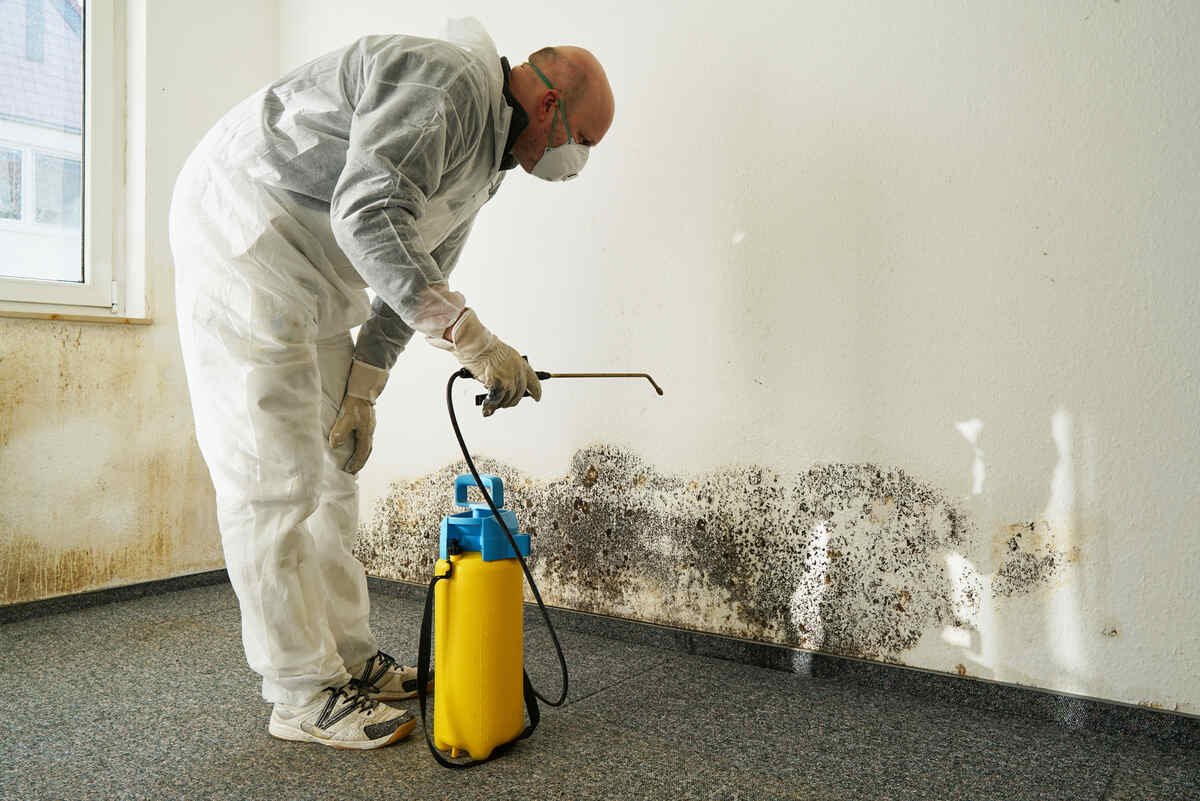
Once the sewer line has been cleared and the immediate threat is over, the cleanup process begins. Proper cleaning is critical for preventing long-term damage and health risks.
1. Remove Standing Water
If water is still present, use a wet/dry vacuum, sump pump or professional water extraction service to remove it. The longer water sits, the more damage it can cause to flooring, walls and personal belongings.
2. Disinfect and Sanitize
After the water is removed, thoroughly clean and disinfect all surfaces that came into contact with the wastewater. Use a solution of one cup of bleach per gallon of water to kill bacteria and mould spores. Wear gloves, masks and protective clothing during this process to avoid contact with hazardous substances.
3. Dry the Affected Area
It’s essential to completely dry the affected area to prevent mould growth. Use fans, dehumidifiers and open windows to increase airflow. In cases of extensive water damage, it might be necessary to remove and replace carpets, drywall or insulation that has been soaked with wastewater.
4. Hire a Restoration Company
If the backup caused significant water damage, you may need to hire a professional water damage restoration company. These professionals can handle extensive cleanup efforts, drying, mould remediation and renovation, if necessary.
3 Steps to Prevent Future Sewer Backups
While some sewer backups are unavoidable, there are several steps you can take to reduce the likelihood of future incidents.
1. Install a Backwater Valve
A backwater valve is a device installed in the sewer line that allows wastewater to flow out of your home but prevents it from flowing back in. This is especially important for homes prone to backups due to heavy rainfall or municipal sewer issues. Many building codes now require backwater valves for new construction.
2. Maintain Your Sewer Lines
Have a plumber inspect your sewer lines every couple of years, especially if you have an older home. Regular inspections can identify potential issues before they turn into full-blown backups. If you have trees near your sewer lines, a plumber can use a rooter service to cut and remove roots that have infiltrated the pipes.
3. Dispose of Waste Properly
Only flush toilet paper and human waste. Avoid flushing items like wet wipes, feminine hygiene products and even paper towels, as they can cause blockages. Also, know that grease and fats can solidify in your pipes and cause clogs so always dispose of them in a container rather than pouring down the drain.


