

If you’re like many homeowners, chances are you’ve been thinking of ways to make the most of your outdoor space, and one way to do that is by landscaping.
You can expect to spend an average of $130 and a maximum of $195 per hour on landscaping services in Canada. Landscaping fees vary based on the size of the garden, the design complexity and the garden’s location.
Hiring an experienced landscaper is an important step in designing an attractive garden. However, as a homeowner, it’s crucial to understand the basics of maintaining a healthy and beautiful lawn.
Besides enhancing curb appeal, your lawn maintenance efforts should help protect the environment. That’s where green landscaping comes in. Implementing eco-friendly landscaping design ideas and land care methods helps reduce your carbon footprint and preserve the earth’s natural ecosystem.
If you intend to turn your garden into an eco-friendly oasis, you can find simple ways to green your landscape and lawn maintenance tasks below.
Reduce Lawn Size
Lawns add beauty to any property, but maintaining them is expensive and involves a lot of work, from weeding to mowing to irrigation. By reducing your lawn size, you can save time and money on maintenance. Not to mention, small lawn sizes are more eco-friendly.
Maintaining a small lawn reduces water consumption, herbicide use and yard waste. Less yard waste eliminates the need for composting or disposing of clippings in landfills, hence reducing greenhouse gas emissions.
To reduce your lawn space, plant large flower beds at the edges and corners of the grassy area. You could also build a patio, create a playground for the kids, invite your neighbours to create a community garden or add ground covering using rocks, mulch or native ground cover vegetation. Doing so can transform your lawn space, adding dimension and purpose, as well as creating a beautiful space for seating.
Design a Vegetable and Fruit Garden
Growing fruits and vegetables in your outdoor space is a perfect way to save money while reducing your impact on the environment. Having a vegetable garden enables you to grow your favorite foods and fruits, like carrots, tomatoes, berries, potatoes, apples and spinach. To ensure you maintain an eco-friendly vegetable garden, avoid using synthetic fertilizers. Instead, use organic manure to grow healthy foods.
You can also boost the growth of veggies and fruits by attracting insects to your garden. To do this, grow pollinator-attracting plants like snapdragon, mint, lavender, sunflower and basil near your vegetable garden. As insects feed on nectar present in flowering plants, they spread pollen, which promotes the growth of edible plants.
Aside from your lawn, you can also grow vegetables on your patio. To find out more about this practice, check out 4 Tips for Starting a Patio Vegetable Garden.
Choose Your Plants Wisely
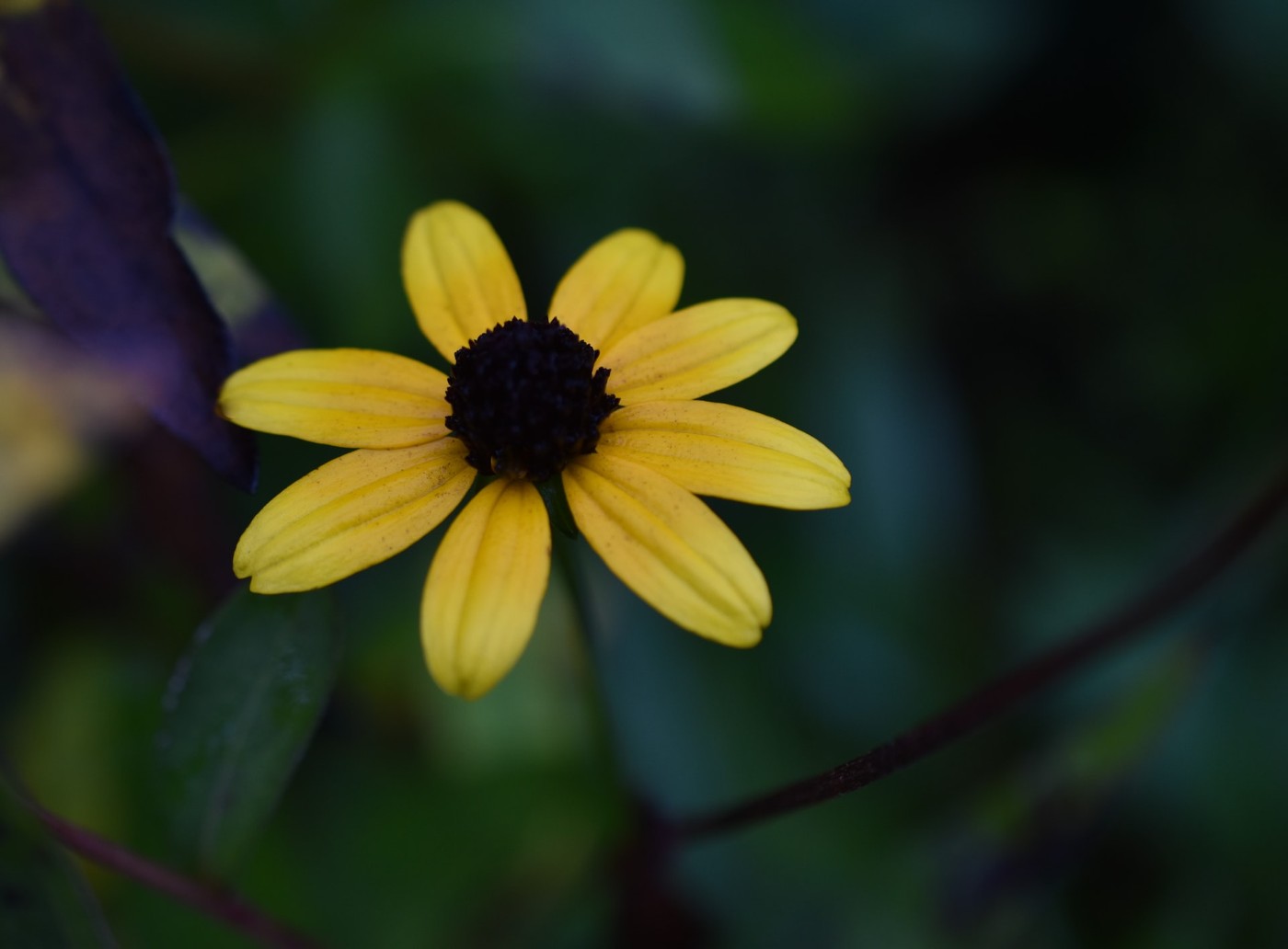
Annual plants add beauty to your landscape, but maintaining them can be challenging as they demand large amounts of water. Not to mention, their lifespan lasts only a year. To make your garden eco-friendly, consider perennials, as they are easy to maintain.
Instead of growing marigolds and strawflowers, choose black-eyed Susan, daylilies and goldenrod. You may also grow evergreen perennials like English ivy, coral bells and lavender.
Growing native plants in your garden is another excellent way to reduce maintenance costs while protecting the environment. Native plants require fewer pesticides, irrigation and fertilizers.
They also reduce noise and air pollution as they eliminate the need for using mowers, which often rely on fossil fuels to function. So, when choosing low maintenance plants to add to your yard, go for native species.
Plant Shade Trees
There are many benefits linked to shade trees besides their beauty. Shade trees add a feeling of tranquility to your yard and improve air quality. Adding shade trees to your green landscape helps conserve water, provide habitat for wildlife and mitigate the effects of global warming by curbing excess rain, sun and wind.
Shade trees can also lower heating and cooling bills by 15% and 50% respectively, if placed correctly. To enjoy the environmental benefits of shady trees, choose tree species native to your region.
Like other plants, native trees are low maintenance, meaning you can prune unwanted branches, mulch and irrigate your trees. However, you should always hire tree services to trim large trees or remove sick and unwanted trees in your yard.
Find reputable tree removal services in your area rather than tackling this dangerous job yourself. Note that the cost of removing trees in the yard varies depending on tree type, size and condition. Also, compare the prices of other tree services like trimming and stump removal, then budget wisely. For more information about effectively taking care of your trees, visit Essential Tips for Managing and Caring for Trees on Your Property.
Invest in Smart Irrigation
As a homeowner, you want to cut down your water and energy bills while maintaining green grass and healthy plants in your yard. To achieve this goal, consider installing a smart irrigation system.
A smart irrigation system can reduce water consumption in landscapes considerably. These smart systems feature soil moisture sensors that read soil moisture levels electronically to deliver the right amount of water to plants above the ground to ensure they are healthy. Reducing water wastage saves you money on utility bills and also makes your landscape greener.
Designing a green landscape and practicing eco-friendly yard maintenance methods are sure ways to make your property green and reduce your carbon footprint. There are several things you can do to achieve this goal. This includes growing native plants, reducing your lawn size, creating room for vegetable and fruit gardening, using smart irrigation and planting shade trees.
Feature image: Jennifer Victor-Larsen; Image 1: Julie Blake Edison


