

If you are looking to live a more eco-friendly and sustainable life, then growing your own produce is the best way to go. Not only does growing your own produce allow you to be more eco conscious, but it also allows you to control exactly what you’re putting into your body. By growing your own crops like blueberries, you can ensure that there are no pesticides or other harmful chemicals present. How to grow hydroponic blueberries is what we want to teach you today. The reason for this is because growing crops hydroponically has a variety of advantages, all of which we will discuss below. Let’s get right to it and figure out how to grow hydroponic blueberries.
What is Hydroponics?
Hydroponics is a special way of growing plants, vegetables, fruits, and everything in between, a way that does not involve the use of any kind of soil. Hydroponics is known as a soilless growing method, hence the name hydroponics, because plants grow in a nutrient rich water solution.
Many people prefer growing their fruits and berries hydroponically, because it’s easy to control exactly how many nutrients the plants get, therefore allowing for maximum growth and yield.
We will take a closer look at all of the advantages of hydroponics below. Since we are talking about how to grow hydroponic blueberries, it’s probably a good idea for you to know why you would do so in the 1st place.
The Benefits of Hydroponic Blueberries
Okay, so the fact of the matter is that there are many different benefits that come along with hydroponic blueberries. Whether we’re talking about the blueberries or otherwise, hydroponics has several advantages that you can reap.
Higher Yields
One of the biggest benefits that you get with hydroponics systems is that when compared to gardening with soil, they can produce up to 30% more yield. On that note, plants may also mature up to 25% faster when grown hydroponically, versus when being grown in soil. That means that you get a whole lot more blueberries when compared to traditional gardening.
Space Efficiency
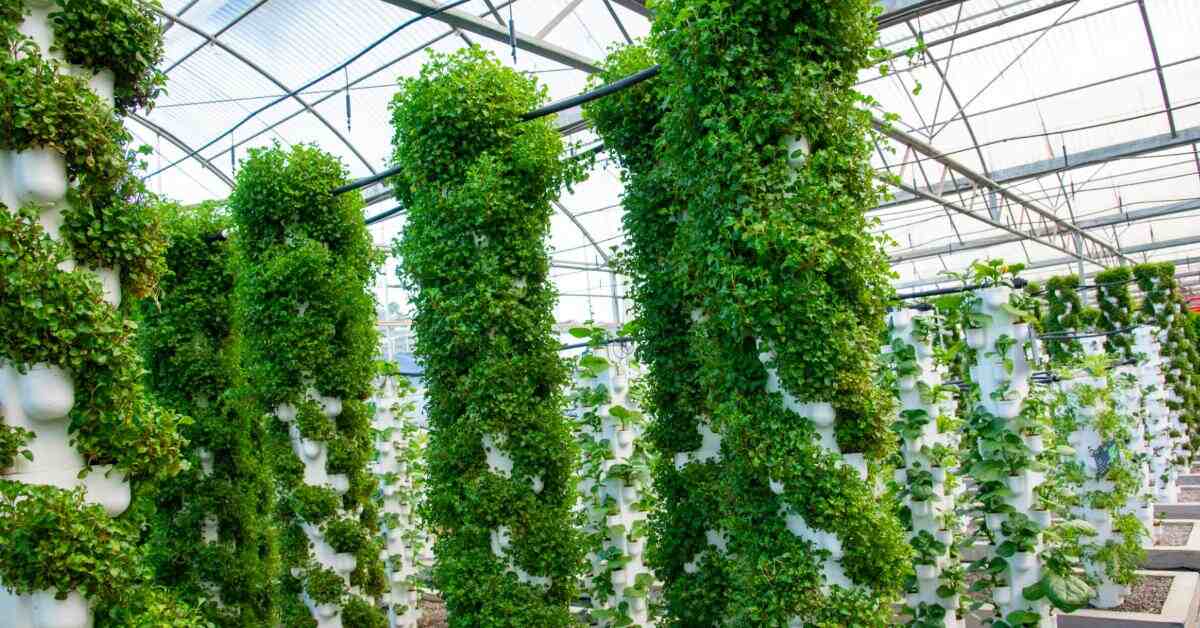
What also stands out about growing blueberries hydroponically is that you get to use space very efficiently. Depending on the type of hydroponic setup that you go with, you could engage in what is known as vertical farming. Vertical farming allows you to take advantage of vertical space, therefore preserving horizontal space, and making hydroponics ideal for use in areas with limited real estate.
Water Conservation
Alright, so it might sound ought to say that hydroponics systems use less water than when gardening with soil. However, this is exactly the case. In hydroponics systems, water is often reused and recirculated, therefore reducing the overall consumption of water by up to 90%. When it comes to being sustainable and eco friendly, that’s a pretty big benefit.
Consistent and Year-Round Growth
Yet another benefit of growing your blueberries hydroponically is that you get to draw them in a controlled and consistent environment. This means that you can easily control humidity, temperature, light, and other factors, therefore allowing for year-round growth. Speaking of year-round growth, this is another advantage of growing hydroponically, because it’s usually done indoors, where your plants get to take shelter from the weather outdoors.
Precise Nutrient Control
The other benefit that comes with growing your plants hydroponically is that you can control exactly how many nutrients they get, and of what kind. For plants like blueberries that flower, this means that you can use special flowering nutrients designed for edible plants and fruits, with the result being increased yields.
How to Grow Hydroponic Blueberries
How to grow hydroponic blueberries is a question that many people ask us, and right now we’re going to do our best to answer it. Let’s go through a step-by-step tutorial on exactly how to grow hydroponic blueberries.

Step 1: Choose Your Blueberries
The first step to growing hydroponic blueberries is to choose the right type of blueberries to begin with. This is because not all types of blueberries are suitable for growing hydroponically. You want either half high or dwarf varieties as they are best for growing in containers. Some of the best options include sunshine blue, top hat, and jelly bean blueberries.
Step 2: Set Up Your Hydroponic System
There are many different types of hydroponic systems to use. However, two of the most common and popular ones include deep water culture and the nutrient film technique. We aren’t going to go into great detail here because there are a lot of nuances to consider. Therefore, we first recommend that you do some research into the different types of hydroponic systems before choosing one for your blueberry growing project.
Step 3: Prepare the Growth Medium
Although growing hydroponic blueberries means that you don’t use soil, you do still need some kind of growing medium to support the plants. We recommended using either coconut coir, perlite, or rockwool. Each of these three types of growing mediums have specific advantages and disadvantages that you should be aware of. That said, many people combine an even mix of all three for the best results.
Step 4: Create Ideal Growing Conditions
To grow your hydroponic blueberries, you’ll need the water to be relatively acidic, between 4.5 and 5.5 on the pH level. Therefore, you need to get some kind of pH monitoring system, as well as pH adjustment chemicals, so you can make sure that your blueberries are growing in the right conditions. If the nutrient solution does not have the proper acidity, your blueberries will not grow properly.
On that note, blueberries also need a whole lot of light. If you don’t have access to regular sunlight in your hydroponic grow room, using full-spectrum grow lights is best. Aim to provide your blueberries with up to 16 hours of light per day. In terms of the temperature, this should be kept 65°F and 85°F (depending on the variety), with between 72°F and 76°F being ideal.
Step 5: Plant Your Blueberries
When it comes to how to grow blueberries hydroponically, although many people might think that starting with seeds is best, it’s actually best to start with clones or seedlings. All you have to do is buy some blueberry clones or seedlings and place them in net pots that contain your chosen growing medium. Then, make sure that the containers are well supported and allow the blueberry roots to access the nutrient solution.
Step 6: Feeding Hydroponic Blueberries
Hydroponic blueberries will require regular feeding, so ensure that the nutrient solution is checked and changed every two to three weeks. Make sure to regularly check nutrient levels using an EC meter to ensure that your blueberries are getting all of the nutrients they need to survive. EC levels should be between 1.8 and 2.0 during the growth stage, and between 2.0 and 2.5 for the fruiting stage.
Step 7: Pruning
If you want your blueberry plants to grow quickly and healthily, it’s a good idea to prune them on a regular basis. Just try to thin out some areas that are far too crowded, and remove any weak or dead branches. This will allow the healthy parts of the plant to flourish.
Step 8: Pollination
Blueberries usually require cross-pollination if you want the best and the highest yield. If you need to pollinate your plans, use a small and soft brush to cross pollinate. Another option you have is to introduce bumblebees into your hydroponic growing room.
Step 9: Harvest
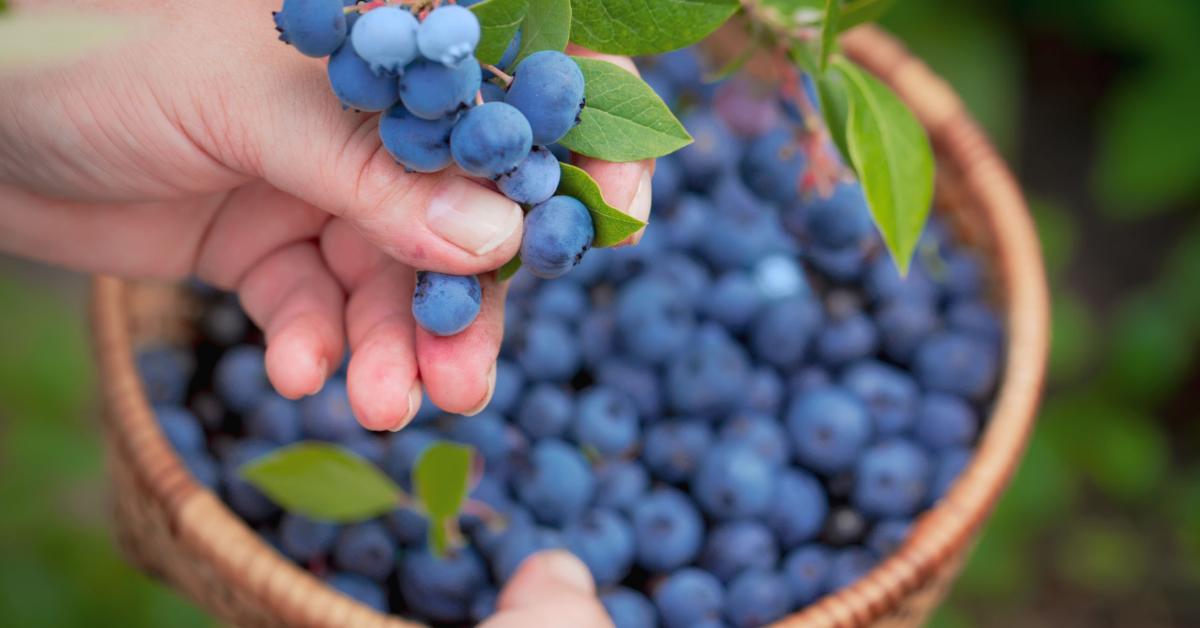
Once your hydroponic blueberries are fully ripe and have a deep blue color, they are ready to harvest. With that being said, keep in mind that blueberries generally take up to three years to start producing fruit, so this is quite the long term investment.


Hi, I am a greenhouse grower in Iran. I wanted to write a hydroponic nutrition plan for some large pots of blueberries, but the sources give me conflicting formulas. Some contain formulas with high nitrate content, others strictly prohibit nitrate use and recommend the ammonium form because it is more compatible with the blueberry roots. Please guide me. Best regards.