

You might think greenhouses can regulate their temperature on their own. The glass lets the sun’s rays in to provide vegetation with warmth, after all. But that heat only comes during the day, so especially if you plan on overwintering your plants in the greenhouse, extra heating is a must.
Most of the time, greenhouses are heated through oil or gas-powered energy, perhaps with a generator or other clunky technology.
So instead of antiquated machinery that eats up large amounts of fossil fuels and isn’t great for the environment or the plants within the greenhouse, greenhouse owners should consider renewable energy.
Here, we explore how solar panels can work for your greenhouse and provide you with clean energy and temperature consistency.
Why Heat a Greenhouse with Solar Panels?
First, let’s take a quick look at why using solar panels to heat a greenhouse is such a good idea.
1. Sustainability
Solar panels produce clean energy, virtually free of carbon emissions, apart from value chain emissions generated during material extraction, manufacturing and transportation. However, the shelf life of solar panels outlives these factors to provide greenhouses with Earth-friendly power.
This shift to renewable energy sources plays a crucial role in mitigating the effects of climate change, as it significantly reduces the carbon footprint associated with agricultural practices. The transition away from fossil fuels to solar energy not only diminishes greenhouse gas emissions but also supports the health of ecosystems by reducing air and water pollution associated with conventional energy production.
A solar system also improves the reputation of greenhouses, especially when carbon-intensive materials like steel are necessary for most builds and when emissions from energy consumption can be through the roof.
2. Cost-Efficiency
The economic implications of solar-powered greenhouse heating are profound. Initially, the investment in solar panel systems may seem substantial; however, the long-term financial benefits are undeniable.
Once installed, the operational costs associated with solar panels are remarkably low, primarily because the sun’s energy, unlike oil or gas, incurs no cost. Over time, this translates into substantial savings on heating expenses, with the added advantage of protection against fluctuating fuel prices.
Additionally, many regions offer incentives, grants, or rebates for installing solar energy systems, further enhancing their cost-efficiency. This economic advantage allows growers to allocate resources more effectively, investing in other aspects of their operations to improve quality and productivity.
3. Low Maintenance
The appeal of solar panels also lies in their simplicity and reliability. Solar energy systems consist of few moving parts, which minimizes the potential for breakdowns and the need for regular maintenance.
Routine cleaning to remove dust, debris, or snow, along with occasional inspections to ensure all components are functioning correctly, are generally sufficient to maintain optimal performance. This low maintenance requirement not only reduces the workload for greenhouse operators but also decreases the likelihood of unexpected operational interruptions, ensuring a stable and consistent heating source.
4. Independence from the Grid
Solar panels offer a unique advantage in terms of energy independence. For greenhouses located in remote areas or regions with unreliable power infrastructures, solar energy provides a viable and dependable alternative to grid electricity. This autonomy is especially beneficial in scenarios where traditional energy sources are inaccessible or prohibitively expensive.
5. Consistent Energy Production and Costs
Hybrid and off-grid systems also keep plants healthy in case of a disaster. If cyberattacks impact critical infrastructure or high winds cause power outages, your solar setup could keep the lights on and plants warm. A boon like this is particularly beneficial for homesteaders who rely on fruitful harvests to feed their households and potentially make a side income.
And in the event of fluctuating energy prices, growers gain peace of mind and operational stability when being able to choose to use their solar PV system instead of buying power from the grid.
6. Improved Plant Health
This clean energy helps the environment outside the greenhouse and inside, too. Plants get exposed to fewer potentially harmful pollutants or toxic substances due to byproducts of old-fashioned, inefficient tech.
Forging lifestyle resilience this way is the most empowering benefit of running your greenhouse on solar, especially if growers choose organic solar cells to nourish their plants.
What Drawbacks Will Buyers Have to Overcome?
Greenhouse solar panel users could encounter several issues. Solar systems are an evolving technology and require patience and maintenance, especially if natural disasters hit unexpectedly. There are methods for overcoming these drawbacks so greenhouses stay temperature-controlled and secure.
1. Weather
Protecting a greenhouse solar system depends in part on geography. What is the climate like in the region you live in? Are there severe thunderstorms, wildfires or hail? Solar panel makers have standards to follow to make them resilient against environmental stressors, but there are extra precautions owners can take to further protect the panels and greenhouse plants.
Greenhouse operators may already have security measures to protect their greenhouse, anyway. Extend this degree of care to your solar panels.
2. Price
Another barrier is price. A way to overcome this barrier is to choose monocrystalline over polycrystalline, even though they’re more expensive. This is a budget-friendly option because it is more efficient and therefore produces a faster return on investment.
Ultimately, so long as the panels are silicon-based, they will function well enough for most hobby and even professional greenhouse setups.
You could also reduce the number of panels you need to invest in by incorporating passive heating methods alongside a solar system, such as placing black rocks outside that absorb and release heat into the walls.
DIYing is certainly a way to cut costs. Kits are available for people who don’t want to splurge on contractors; however, you could still hire professionals to perform an inspection and provide recommendations on the best technology for your setup to save you any costly mistakes.
3. Getting the Right System
Finding the right technology may also be an issue. If a greenhouse owner purchases PV panels, they may need to look elsewhere for storage, inverters and other peripherals. The panel provider may have recommendations, but business partnerships, rather than quality, may influence them. It gets more complicated when not all solar products are brand agnostic. Some panels may not be compatible with specific batteries, for example. It’s essential to do adequate research or seek an expert’s advice.
Along those lines, solar installers work with specific brands. The brands they work with might not be the best options for you. If you go with them you just might not be getting as high quality product as you should be.
It’s also important to find a reputable solar installer. If the system isn’t installed well you could be inviting a host of problems for yourself – anything from a leaky roof to an incorrectly sized system.
How Do Solar Panels Work for a Greenhouse?
PV panel arrays, working alongside electric heaters (forced air, infrared, etc.) , are the most well-known renewable energy options for greenhouses. Photovoltaic (PV) panels transform the sun’s warmth into power. The PV system then distributes power to heaters, which activate to control temperature.
Solar panels are more than rooftop additions, though they usually take that form. Smaller solar panels can sit atop heaters or other temperature-regulating devices. Panels can also be mounted on the ground instead of on the roof.
There are a few crucial tips for creating an ideal greenhouse solar setup that will provide maximum energy for the longest time possible. Newcomers to the solar world will have these main questions to research on their own or to inquire about from local expert installers:
- Where is the best place to put your panels? Does orientation matter? South-facing panels will offer the best results. They’re best positioned at a 30- or 45-degree angle.
- Is the glass roof of your greenhouse fit for solar panels? You’ll need to do a thorough evaluation of the structural strength and integrity of your roof; a task best taken on by professionals.
- How will you clean the panels so they stay efficient? Removing debris and dirt is essential so they won’t impact performance. Owners can contact professionals if they’re hesitant to perform the work themselves. However, methods that work well for glass work well for panels. Water and soft cloths quickly move debris with no need for abrasive chemicals.
- How much cloud cover does your region get? Perhaps you own a greenhouse and have pondered solar panels but keep returning to one fact—the sun doesn’t always shine. Just because you can’t see the sun behind the clouds doesn’t mean the sun’s rays aren’t making it to your solar panels, though. Efficiency reduces, but energy backups can kick in if there are concerns over the health of the plants.
Buyers will want to think about grid connectivity as well. Solar power doesn’t need to be connected to a larger grid to work, but both options have unique incentives, especially in net metering regions.
Connect to the Grid or Go Off-Grid?
There will be days when solar tech generates more power than the greenhouse needs, so extra energy has to go somewhere so it doesn’t go to waste.
Connecting to the grid means you don’t keep the excess energy your greenhouse panels might generate on a sunny day. It flows to your local power grid, and in a net-metering program, you receive compensation for it. That’s one incentive.
Another is that you can depend on the grid to distribute additional power to your setup when needed, say, at the end of a string of dark, cloudy days.
Off-grid options exist, and many people choose to have energy storage solutions, like a deep-cycle battery pack, so they can remain energy independent. The main benefit to energy independence is that if the local power grid goes down, your greenhouse will retain electricity and heat.
Several storage solutions are available for buyers. Batteries exist in various compositions, from lead acid to nickel-cadmium, offering varied pros and cons. But there are also innovative solutions like the Tesla Powerwall, an integrated system that connects to the panels and provides data and insight for buyers.
With advanced systems, the technology can determine how much power to distribute or supplement during cloudy days or in erratic temperatures. With a little analytics collection, the data points should guide greenhouse operators to the correct configurations.
Some greenhouse operators prefer a grid-tied hybrid option where they still have backups and try to rely on the grid less.
What Additional Components Will a Greenhouse Need?
Solar storage is just one of the components owners can add to their solar system for increased flexibility. The additional equipment you use will depend on your goals for the greenhouse. These are some of the most essential components you’ll need to choose from to configure your system:
Inverters – Homes and appliances generally have AC power, but solar panels produce DC power, so you’ll need to use an inverter. Three types of inverters exist—string, microinverters and power optimizers. String inverters tie all panels to one unit for conversion. Microinverters convert DC to AC at the site of each individual panel. Power optimizers can be paired with string inverters to independently control each panel’s power output.
Monitors or sensors – Internet of Things (IoT) equipment and smart technology can enhance a solar experience by providing users with real-time data on its performance. Regular maintenance can keep panels in good condition without additional software or apps, but it can alert owners of changes in performance that could impact plant species.
Racking and grounding equipment – Whether panels are on the roof or on the ground, installers do not nail them directly into a surface. Usually, they require racking to keep them stable. They also help create an angle, especially if the rooftop or surface doesn’t have the right angle to catch optimal light. There are fixed mounts that remain in place and tracking mounts that adjust to the sun’s rays.
How Many Solar Panels Does a Greenhouse Need?
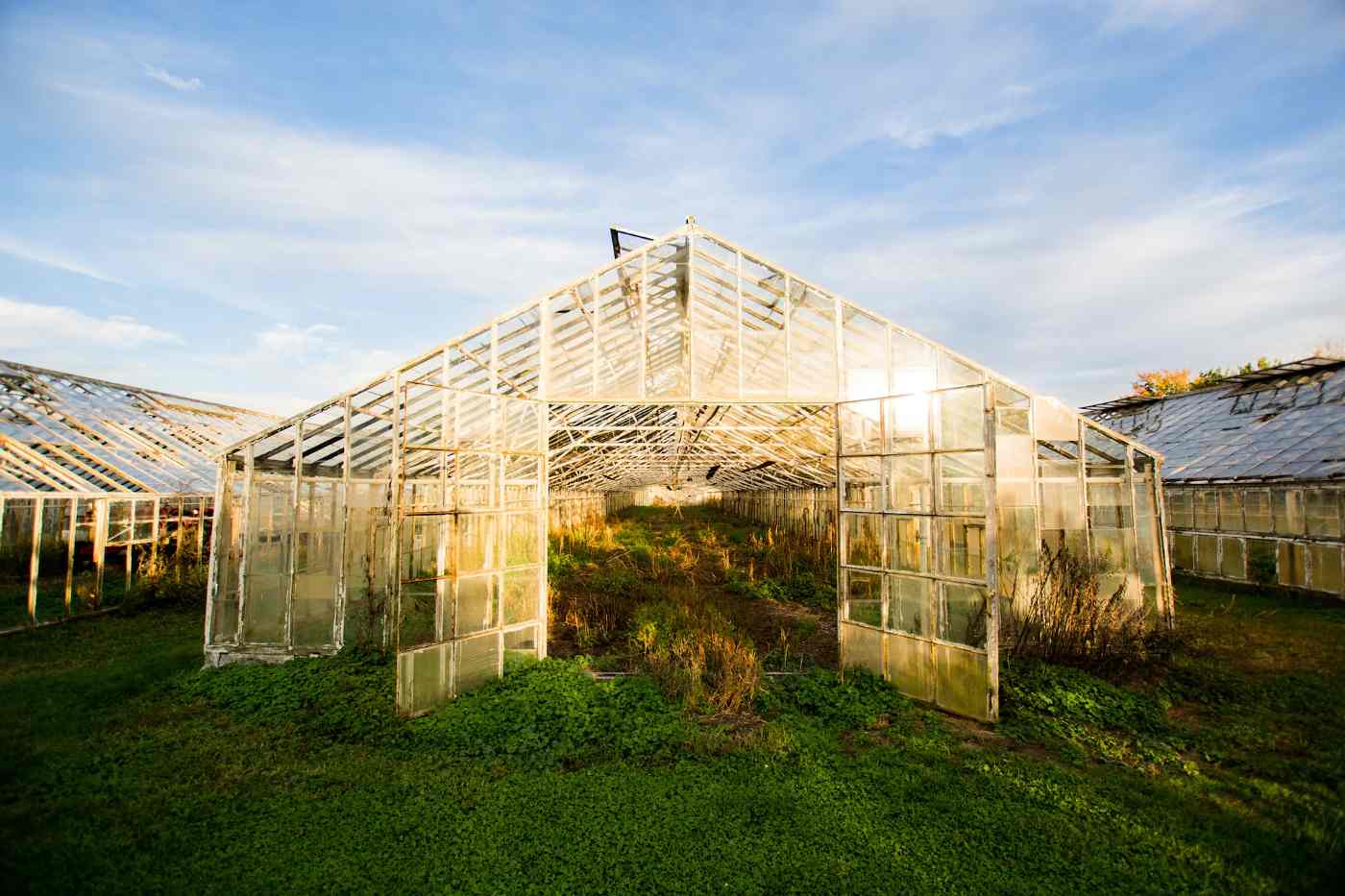
The number of solar panels your greenhouse needs largely depends on energy consumption and the local climate. Cooler regions will need more power to heat their greenhouses, even if they’re growing the same quantity and species of plants as someone in warmer areas.
You can look to your energy bills to figure out how much energy you consume, and then use an online solar calculator like this one to ballpark how many panels you will need to cover your consumption.
The output of a solar panel is the wattage, measured alongside peak sun exposure hours on average in a given day. The modern standard is around 400 Watts, with an average of 4.5 hours of sun in the US, which equates to an estimated 54 kWh each month.
These are a few additional considerations that help to more accurately determine how many panels a set up will require:
- Square footage of the greenhouse
- The composition of the panels (monocrystalline vs polycrystalline)
- The orientation and pitch of the greenhouse roof, if rooftop panels are used
- Tree coverage and other obstructions that could be obstacles to efficiency
- Optimizing power with other technologies, such as air circulators or Internet of Things (IoT) devices
- Type of vegetation growing, such as tropical plants that require higher humidity
- Space for solar infrastructure, including an analysis of rooftop condition and slant
These factors, among others, could impact budgets, as well as the complexity of a solar greenhouse setup. Knowing how many influences can be at play will allow you to make more informed decisions, especially if you choose to DIY a solar array.
A Step-by-Step Guide to Heating a Greenhouse with Solar Panels
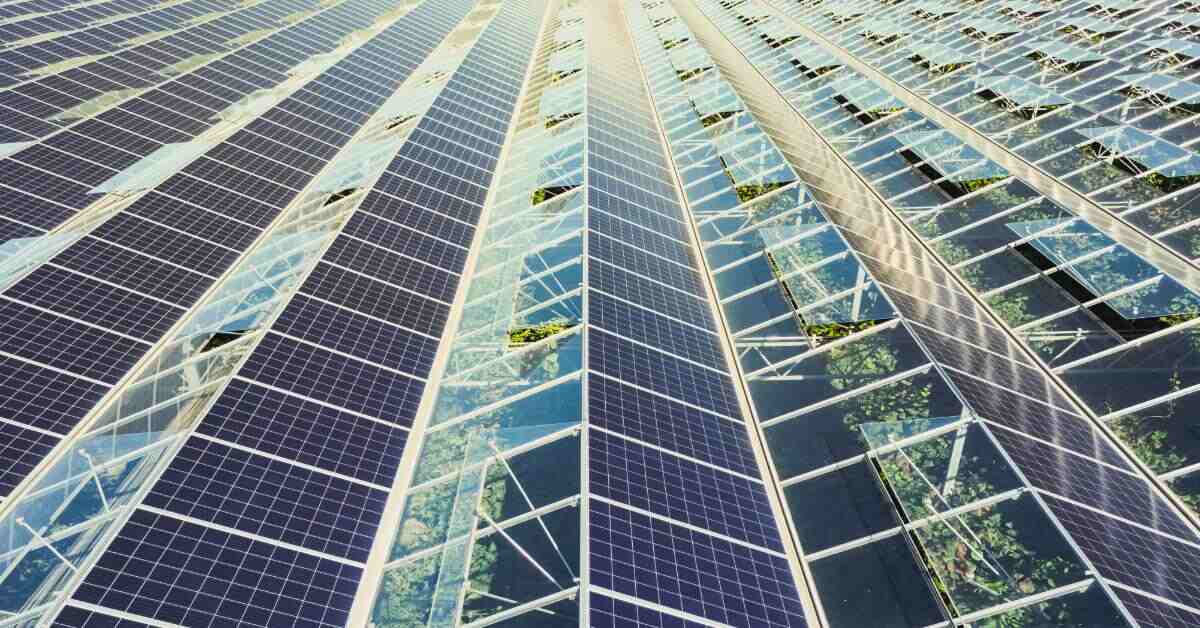
Step 1: Evaluate Your Greenhouse’s Heating Needs
Assess the environment – The first step involves understanding the specific heating requirements of your greenhouse. Factors such as local climate conditions, greenhouse size, insulation quality, and the types of plants being cultivated all influence your heating needs. Calculate the amount of heat required to maintain the desired temperature during the coldest periods.
Energy audit – Consider conducting an energy audit to pinpoint heat loss areas and improve insulation. This can significantly reduce your overall heating requirements and enhance the efficiency of your solar heating system.
Step 2: Understand Solar Heating Options
Photovoltaic (PV) panels vs. solar thermal systems – Decide between PV panels, which convert sunlight into electricity (used to power electric heaters), and solar thermal systems, which convert sunlight into heat directly. While PV panels offer greater versatility, solar thermal systems can be more efficient for heating purposes.
Hybrid systems – In some cases, a hybrid system combining both photovoltaic panels and solar thermal technology may offer the best solution, providing both electrical power and direct heat from the sun.
Step 3: Design Your Solar Heating System
System sizing- Based on your greenhouse’s heating requirements, design a solar panel system (PV or thermal) that meets your energy needs. This involves calculating the total wattage of solar panels needed or the surface area of solar thermal collectors required.
Integration with existing systems – Plan how your solar heating system will integrate with any existing heating solutions. This may involve configuring solar panels to supplement your current system during peak hours or serve as a standalone source of heat.
Step 4: Select the Right Solar Panels
Efficiency and quality – Choose high-efficiency solar panels from reputable manufacturers to ensure maximum energy conversion and long-term reliability. Higher efficiency panels may cost more upfront but can provide greater savings and performance over time.
Durability – Ensure the panels are rated for environmental conditions they’ll face, including snow, wind, and rain. Look for panels with robust warranties and proven track records in similar climates.
Step 5: Installation Preparation
Permits and regulations – Before installation, obtain any necessary permits and ensure your system complies with local building codes and regulations. This may involve consultations with local authorities or hiring a professional solar installer.
Site preparation – Prepare the site for installation, ensuring that the location chosen for your solar panels receives optimal sunlight throughout the year. This might involve trimming foliage or adjusting the landscape to avoid shading.
Step 6: Install the Solar Panels
Mounting the panels – Install mounting brackets and hardware according to the manufacturer’s instructions, ensuring they are securely attached to the roof of the greenhouse or a suitable ground-mounted structure. Pay close attention to the orientation and angle of the panels to maximize sun exposure.
Wiring and connections – For PV systems, connect the solar panels to an inverter, which converts DC electricity into AC electricity usable by heating equipment. For solar thermal systems, connect the collectors to the water or air circulation system designed to distribute heat throughout the greenhouse.
Safety checks – Once installed, thoroughly check the system for any electrical or structural issues. It’s advisable to have a professional review the installation to ensure everything is safe and operational.
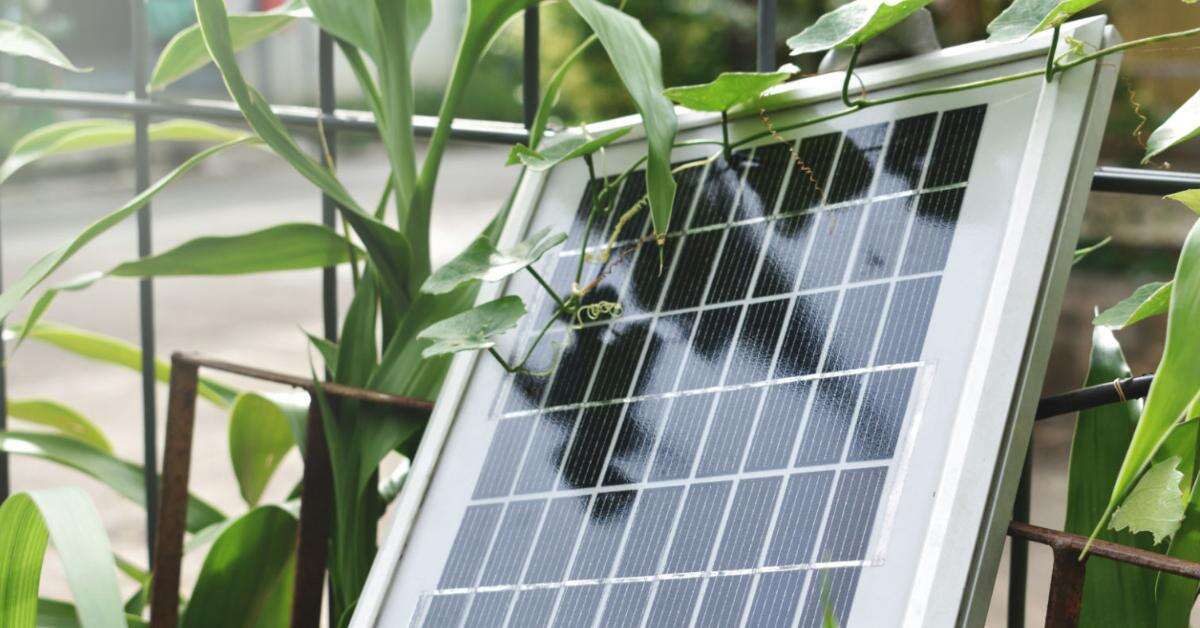
Step 7: Monitor and Maintain Your System
Regular maintenance – Perform regular maintenance on your solar panels and heating system. This includes cleaning panels to remove dirt, leaves, or snow that could block sunlight and checking for any damage or wear.
System monitoring – Monitor your system’s performance over time to ensure it meets your heating needs. Adjustments may be required to deal with changing conditions or to improve efficiency.
Troubleshooting – Be prepared to troubleshoot any issues that arise. Common problems can include reduced heating efficiency, which may be due to shading, dirt on the panels, or system malfunctions. Having a relationship with a professional service provider can be invaluable for addressing more complex issues.
Step 8: Evaluate and Adapt
Performance review – Periodically review the performance of your solar heating system against your initial objectives and energy needs. Consider whether additional panels or system adjustments are needed to better meet your greenhouse’s heating requirements.
Expand as needed – As your greenhouse operation grows or your heating needs change, be prepared to expand your solar heating system accordingly. This could involve adding more panels or upgrading components to increase efficiency and capacity.
Feature image: eduard; Image 1: Abigail Lynn


