

Having a lush and thriving outdoor space is a dream for many homeowners, but maintaining a healthy lawn and garden is a year-round commitment. As seasons change, so do the needs of your green spaces, making it essential to keep up with specific care routines throughout the year. From soil preparation to pest management, mastering the art of gardening involves understanding and responding to seasonal demands.
In this article, we’ll explore effective strategies for maintaining a vibrant lawn and garden. We’ll discuss methods for dealing with common challenges such as weeds and pests, and we’ll highlight the importance of regular maintenance and proper planning for year-round growth. By incorporating a few simple practices, you can ensure your garden remains healthy and inviting for years to come.
Preparing Your Lawn and Garden for Each Season
Transitioning between seasons requires proactive planning to keep your lawn and garden in peak condition. As temperatures drop or rise, the resilience of your plants and grass depends on how well you prepare them for these changes. Fall is an excellent time to aerate your lawn and apply winter fertilization, allowing nutrients to penetrate deeply into the soil and strengthen root systems for the cold months ahead.
During spring, focus on cleaning up any debris left over from winter, such as fallen leaves and dead branches. This tidying up not only boosts the appearance of your garden but also reduces pest habitats. While removing waste, consider that expert forecasting, such as the one by Freedoniagroup.com, suggests that expenditure on lawn and garden consumables will achieve an annual growth rate of 2 percent through 2027, reaching $12.3 billion, underscoring the importance of investing in quality products.
Summer brings its own set of challenges, with soaring temperatures putting stress on plants. Water management becomes critical, as overwatering can lead to mold and under-watering can cause drought stress. This is a time to perfect your irrigation techniques and ensure efficient water use, promoting healthy plant growth and soil conservation in your garden.
Effective Weed and Pest Management
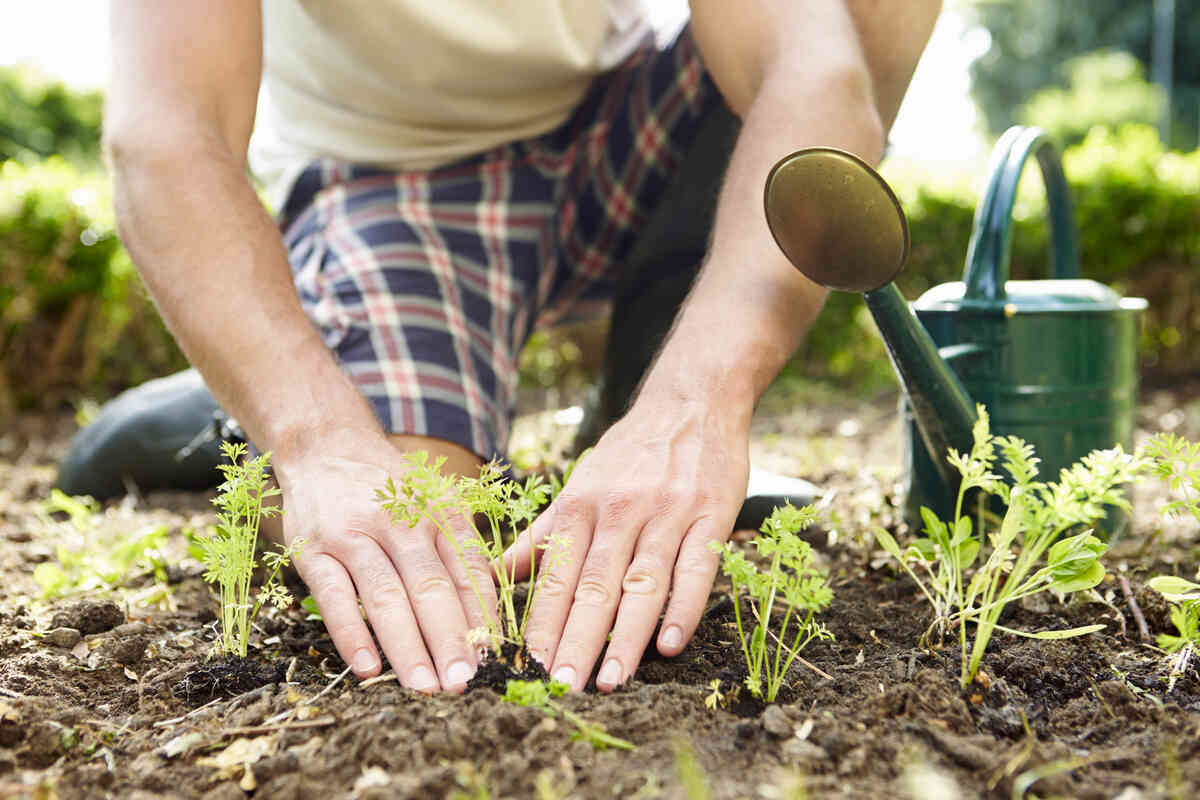
Weeds and pests are relentless adversaries in the quest for a perfect lawn and garden. A proactive approach to weed management is vital, considering the remarkable reproductive capabilities of many annual weeds, which can produce anywhere from 25,000 to a staggering 250,000 seeds, according to research from Rutgers University. Such prolific reproduction can quickly turn a few weeds into a widespread problem.
Implementing an integrated pest management system can mitigate pest-related issues. This strategy involves monitoring pest populations and using control methods such as natural predators or organic pesticides to manage infestations. By reducing dependency on chemical solutions, you not only protect the environment but also enhance the overall health of your soil and plants.
To minimize the impact of weeds and pests, consider mulching as it acts as a barrier to weed growth by blocking sunlight from reaching the soil. Additionally, mulch helps retain moisture and provides a slow release of nutrients as it breaks down, enriching your garden’s soil structure. It is the synchronization of these efforts that will fortify your lawn and garden against elements seeking to disrupt their beauty.
The Importance of Regular Maintenance and Proper Planning
Regular maintenance is critical for sustaining a healthy lawn and garden. A consistent routine of mowing, pruning and cleaning up helps preserve the aesthetics and health of your outdoor spaces. As the average American spends around $500 annually on lawn care and gardening, according to Zippia, strategic planning can maximize your investment and ensure long-term success.
Planning involves not only selecting the right plants for your climate and soil but also rotating crops and replenishing garden beds to maintain soil fertility. Understanding the growth cycles and requirements of different plant species enables you to tailor your care practices accordingly, preventing common mistakes and ensuring robust growth.
Record-keeping is another essential element of proper lawn and garden maintenance. Documenting gardening activities helps you track what works and what doesn’t, ultimately saving time and resources. By reflecting on past successes and failures, you can refine your approach and perpetuate improvements, turning your garden into a thriving, harmonious space.


