

Trees are an integral part of our ecosystem that offer a myriad of benefits. Whether in a sprawling forest or a small urban garden, trees play a crucial role in enhancing our physical and mental well-being. Understanding the health advantages provided by trees can inspire us to preserve and nurture these vital resources for generations to come.
Stress Reduction Through Nature
Stepping outside and immersing oneself in natural settings significantly helps alleviate stress. Various studies suggest that spending just 20 minutes in an outdoor environment has a noticeable impact on stress reduction. Natural spaces, whether you’re strolling through a wooded area or enjoying the shade of a tree in your garden, offer a calming effect that modern life often lacks.
Additionally, the visual and sensory elements of trees, including the rustling of leaves and the natural air they provide, amplify the stress-relieving benefits of spending time outdoors. This connection to nature refreshes the mind and provides a holistic approach to reducing anxiety. Gardens or urban green spaces thus become sanctuaries where nature’s healing powers take hold.
Oxygen Production and Air Quality Improvement
Trees serve as the Earth’s lungs, constantly cleaning and refreshing the air we breathe. Among the multitude of benefits they offer, their ability to produce oxygen is paramount. One mature tree can generate enough oxygen annually to support the respiratory needs of four individuals. This significant contribution highlights the vital role trees play in maintaining air quality.
The exchange of carbon dioxide for oxygen during photosynthesis is crucial to our ecosystem’s balance. In an era where urbanization leads to increased pollution, the presence of trees becomes even more critical, particularly in densely populated areas. Whether sprawling in forests or embellishing gardens, trees act as natural air purifiers, fostering healthier communities.
Beyond oxygen production, trees also trap pollutants and particulate matter, further enhancing air quality. Their leaves and bark capture dust and other harmful particles, creating cleaner and healthier urban environments. Recognizing these remarkable contributions is essential for urban planners and individuals alike when designing landscapes and green spaces like gardens in city planning initiatives and personal projects.
The Structural Diversity of Trees
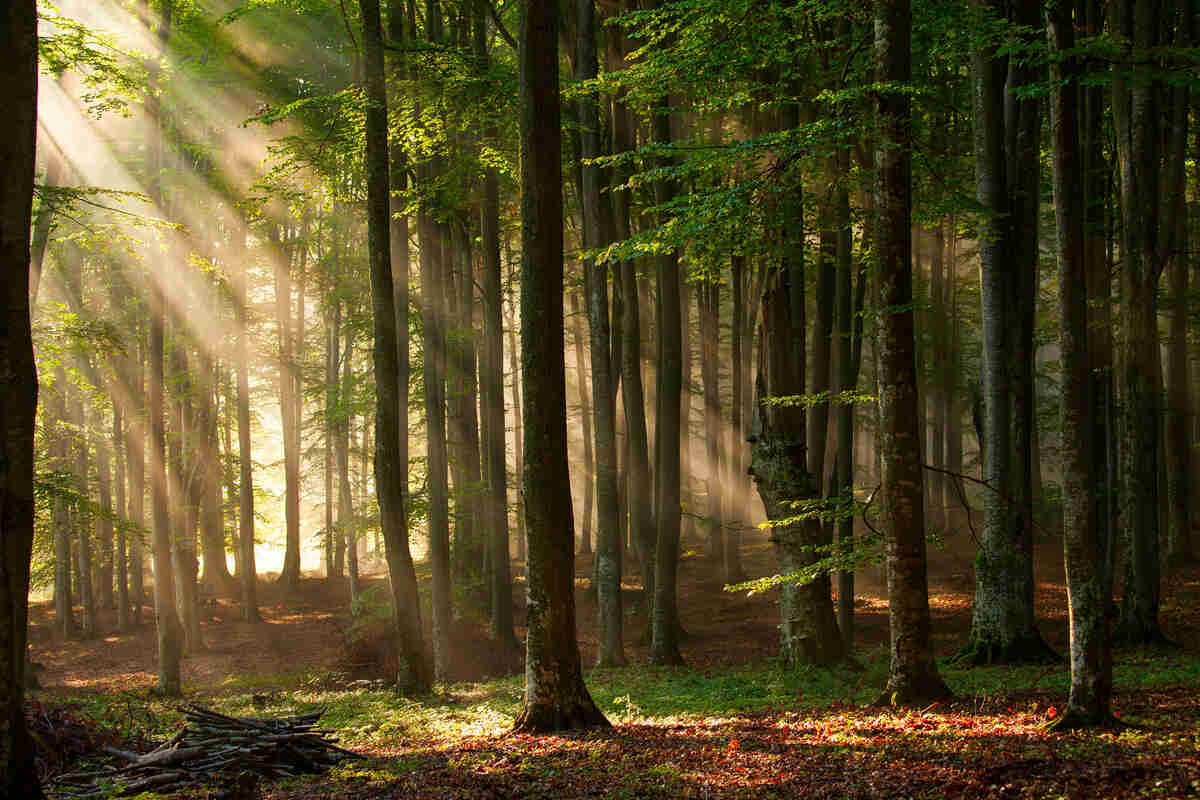
In the natural world, trees exhibit incredible diversity in shape and size, contributing both aesthetic and practical benefits to landscapes. Small trees, standing under 30 feet, offer delicate beauty and are commonly seen in home gardens and compact urban areas. Conversely, trees soaring to 60 feet or more are often regarded as giants within forests or expansive parks, lending grandeur and shelter to their surroundings.
The classification of trees based on their height—understanding that heights below 30 feet are typically termed small and those above 60 feet are regarded as large—helps horticulturalists and gardeners choose the right species for their needs. This distinction is vital to optimize space, sunlight and overall garden utility. Proper selection and placement can ensure that trees thrive, fulfilling their potential in enhancing human health and environmental balance.
Whether you’re considering planting in a personal garden or contributing to a community green space, the variety in tree size allows for comprehensive planning and environmental balance. Large trees provide extensive canopies for shade, improving comfort and protecting against the sun’s intensity. Meanwhile, smaller trees complement by adding texture and layers, reducing urban heat islands and contributing to ecological diversity. This harmonious relationship between trees is a testimony to nature’s inherent design brilliance, encouraging thoughtful cultivation practices.
Trees are more than just silent sentinels in our environment; they are crucial allies in promoting physical and mental health. From reducing stress to purifying the air and adding structural beauty to our landscapes, trees enhance our lives in countless ways. Incorporating them into our surroundings, whether by establishing gardens or urban planting initiatives, can substantially boost our quality of life. As stewards of the Earth, it is our responsibility to nurture and protect these invaluable assets. By appreciating and promoting the many health benefits of trees, we ensure a sustainable and healthier future for all.


