

Are you interested in growing trees in a relatively small space, like inside your home? Hydroponic growing systems could be the answer. They use oxygenated or aerated water and coarse growing mediums such as clay pellets or peat moss rather than soil. How should you get started?
Select an Appropriate Species
Begin by choosing trees that work well with hydroponic systems. One of the main considerations is that many have a two-phase root formation process. The primary step causes the roots to lengthen, and the second forms a hard outer layer, constituting the early stages of the tree’s bark.
That outer portion provides an excellent defense for the tree against excessive heat and humidity. However, it does not tolerate water well, so trying to grow such trees hydroponically may cause root rot.
Besides keeping the roots healthy, you must also consider the tree’s eventual size. Hydroponic systems are contained, which makes them ideal for nurturing growth indoors, but some trees grow so large that no hydroponic containers can fit them.
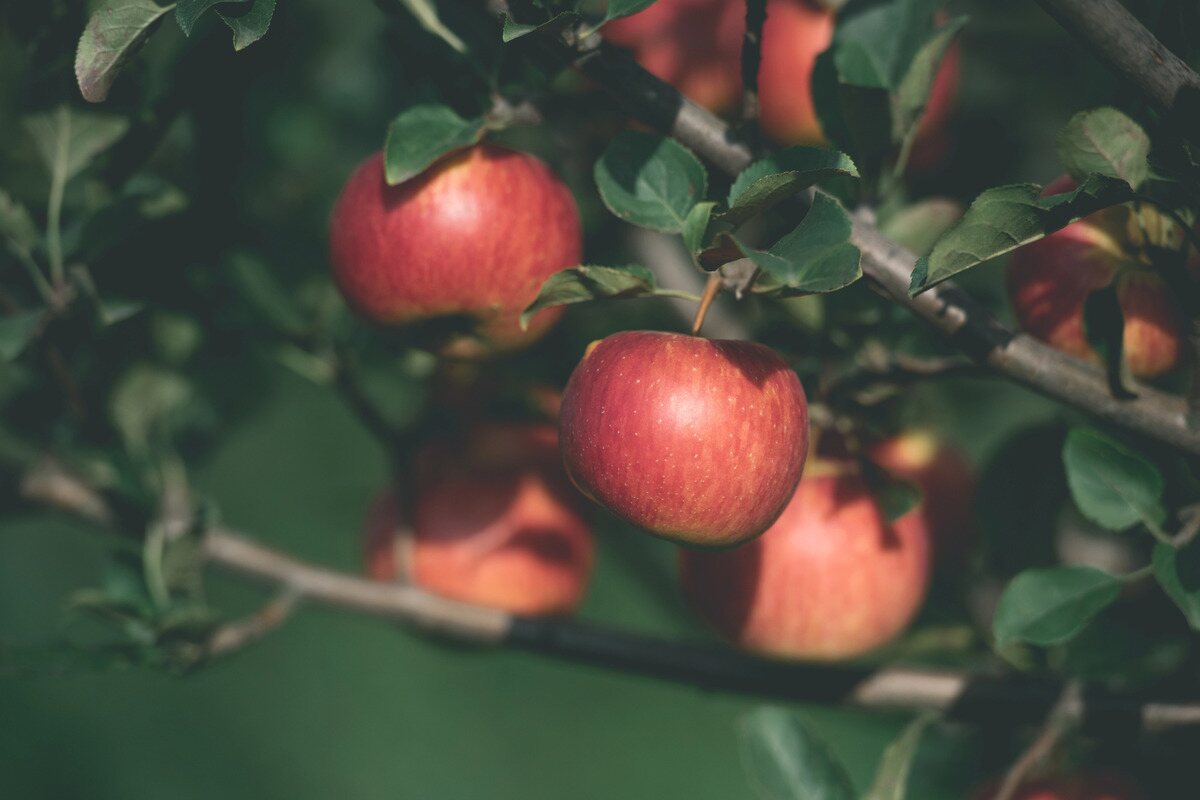
Fortunately, you still have many options for growing trees hydroponically. Those that bear lemons and avocados are among the possibilities that are small enough for your hydroponic setup. Additionally, since some growers offer dwarf varieties of larger trees, more options exist where there were none.
One Colorado reforestation program grows hydroponic trees in shipping containers. This option uses 98% less water than conventional approaches and offers excellent flexibility in unconventional spaces.
Choose the Hydroponic Technique
Hydroponic growing mechanisms are either active or passive, and recovery or non-recovery based. Active ones move the growing solution, usually with a pump, whereas passive setups use wicks and keep the medium fixed. Then, the recovery approach reuses the nutrient solution in the system.
In contrast, non-active hydroponic systems apply the nutrient system to the growing medium, and all excess water runs off as waste. Whichever type you choose, hydroponics always requires oxygen, nutrients, and water or moisture.
Although there are several hydroponic techniques, many are unsuitable for larger, heavier plants, making them poor choices for trees. One good option is the Dutch bucket system, which grows each tree in an individual bin rather than putting several in a tank. The nutrient solution comes to the sprouts via pipes.
Since each tree is in a separate bucket, there’s no risk of one becoming too large, crowding the others around it and damaging them. The Dutch bucket system is ideal for flexibility because you can start with just one container and expand if your situation allows.
Another popular choice is the drip system. It dispenses the nutrient solution in small, constant quantities, and the growing medium’s capillary action sends it throughout the tree, with the remainder available for absorption when necessary.
The ebb-and-flow technique is worth considering. Applying it to tree growth requires choosing a water pump with a timer that fills the grow tank with nutrient solution throughout the day. The liquid flows into the vessel for 15 minutes and then drains into a reservoir to prevent it from stagnating. The nutrient film technique is yet another worth considering.
Create the Proper Growing Environment
Although your hydroponics system needs nutrients, oxygen, and water or moisture, the other elements your trees require for productive growth depend on the species.
For example, fig trees need a lot of light, while papaya and orange trees are comparatively less dependent on it. Consider whether you could rely on natural light by setting up your hydroponic growth system on a balcony. Otherwise, think about getting LED lights to simulate it.
You must also take proactive steps to prevent root rot. Hydroponic best practices differ from conventional growth tips. For example, when growing fruit trees outside in the winter, you should dispense 1-2 inches of liquid during each watering session to ensure it reaches the roots.
However, hydroponic watering requires monitoring the growing medium and allowing sufficient time between each attempt so materials such as coco and peat moss don’t become saturated.
The pH of your nutrient solution is also essential to successfully growing trees hydroponically. Since the preferred pH level varies according to the tree type, you should verify the ideal range and take daily readings.
The pH levels are more important than many people realize because they affect how quickly the trees absorb different nutrients through their roots. Plants receive carbon, oxygen, and hydrogen from air and water but need 17 macro- and micronutrients for healthy growth. Nutrient solutions and aggregate growing media provide them to hydroponic trees.
Monitor and Maintain
As your seedlings begin sprouting, consider diluting the nutrient solution and lowering the intensity of your light sources to encourage strong root formation. After that happens, the vegetative period will begin, which occurs during active growth and foliage development. You should generally prune suckers off your trees every few weeks during the vegetative stage.
The flowering stage is next if you have chosen a tree that bears fruit. Once it happens, your trees need a shorter duration of daily light, and you may need to adjust the nutrient solution. During this period, you should also prune small offshoots to keep the main tree strong.
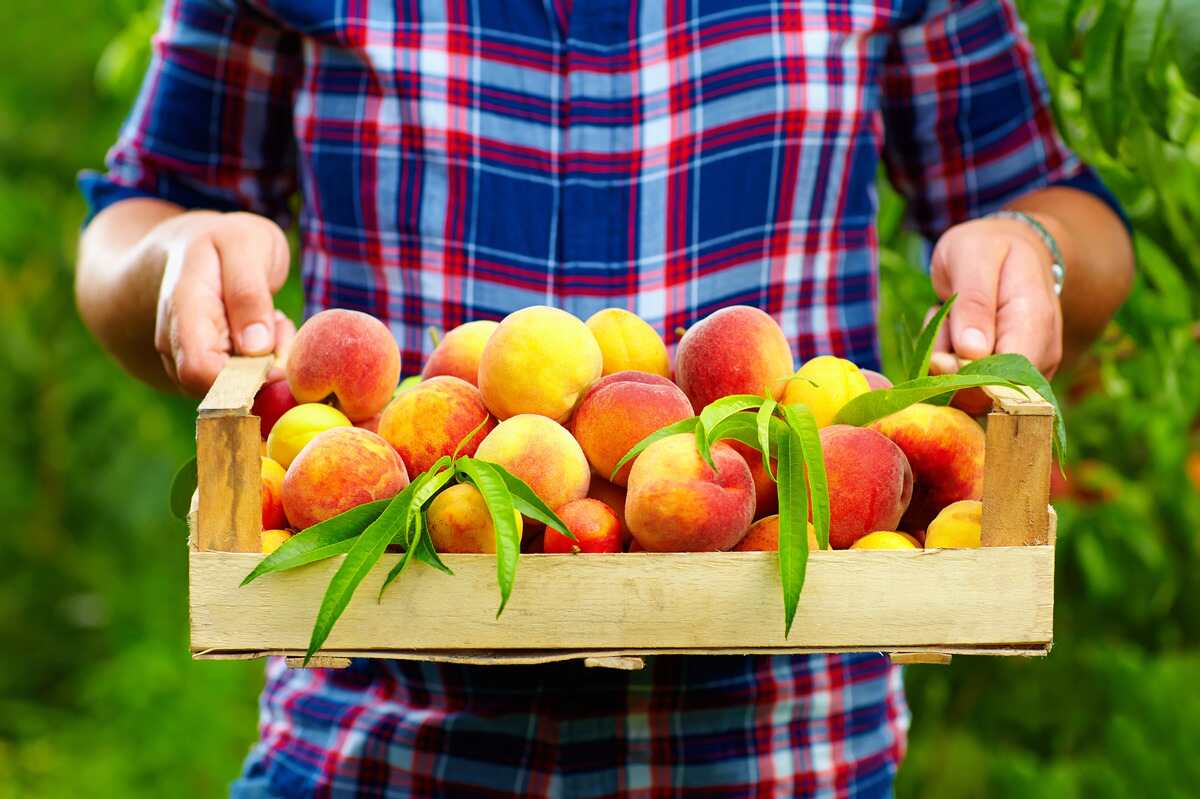
The flowering period is when you should begin using manual pollination methods, especially if your hydroponic setup is not exposed to natural breezes. You can use cotton swabs or small paintbrushes or carefully manipulate the flowers with your hands.
Once the tree matures and fruit begins forming, if applicable, it’s time to harvest. The preferred method for trees is to harvest them all at once once they’re large enough to do so safely. Then, clean up your hydroponic growing system using water and diluted hydrogen peroxide to prevent diseases, pest infestations, and mold growth.
Get Ready and Starting Growing Trees Hydroponically
These steps will guide you through growing trees hydroponically. As you go through each one, keep an open mind and remember — even challenges will become learning opportunities.
Images from Depositphotos


