

Having a backyard can provide multiple opportunities for beauty, enjoyment, and sustainability. One excellent addition to your garden is a plum tree, which not only produces delicious fruit but also enhances the aesthetic of your property. In this beginner’s guide, we’ll cover everything you need to know about planting and growing plum trees.
Benefits of Planting Plum Trees
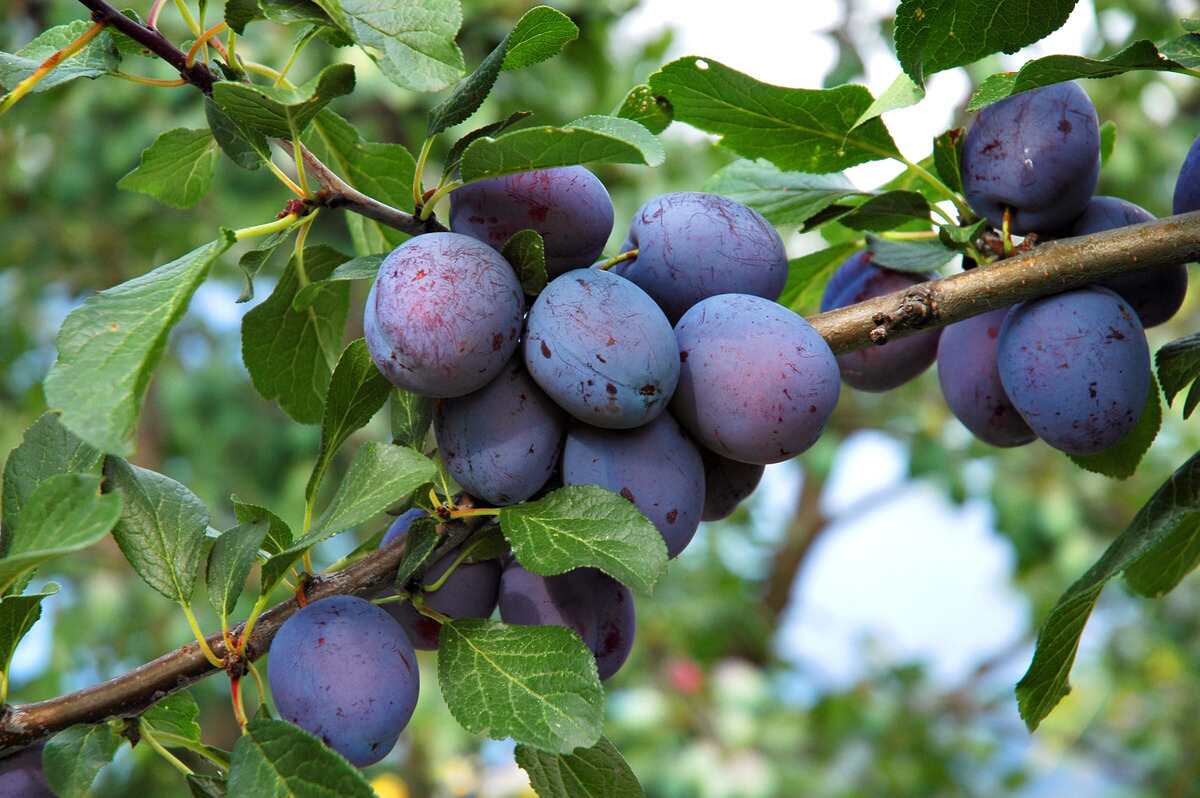
Planting mature trees, such as plum trees, can significantly increase the value of your property. According to the USDA Forest Service, a healthy, mature tree can contribute an average of 10 percent to the overall worth of a home. This makes growing fruit trees not just a gardening hobby but also a wise financial investment.
Properly placing trees around your home can have notable energy-saving benefits. Research from Arbor Day suggests that trees strategically located around buildings can lower air conditioning demands by as much as 30 percent. Furthermore, they can lead to savings of 20-50% on energy used for heating during colder months.
In addition to financial and environmental advantages, plum trees provide an enjoyable gardening experience. They offer ample opportunities for learning about gardening techniques and tree care without requiring excessively high maintenance levels. With proper attention, your garden can flourish while yielding delicious fruits each season.
Choosing the Right Plum Tree Variety
Selecting the appropriate plum tree variety is crucial for successful growth. There are two primary categories of plum trees—European and Japanese varieties, each having unique attributes and environmental requirements. Be sure to choose a variety that suits your local climate and soil conditions to ensure optimal growth.
For instance, European plums are typically more suitable for colder regions, while Japanese plums thrive in warmer climates. When deciding, consult your local nursery or agricultural extension for specific recommendations tailored to your area. Doing so helps ensure that your garden’s plum trees can grow strong and healthy with minimal challenges.
Consider factors such as tree size and cross-pollination needs when selecting your plum tree. Some varieties require another tree nearby for successful pollination and fruit production. It’s essential to plan your garden layout accordingly to maximize the growth potential of your chosen plum trees.
Preparing Your Soil for Planting
Before planting your plum trees, it’s vital to prepare the soil adequately. Start by performing a soil test to assess pH and nutrient levels. This can help identify any necessary amendments for optimal tree growth.
According to gardening experts, rich, loamy soil that offers good drainage is ideal for plum trees. Amend your soil with organic matter such as compost or well-rotted manure to enhance its fertility and structure. This will create a suitable environment for your new fruit trees.
Once the soil is improved, it’s essential to select an appropriate planting site. Choose a location that receives full sun and provides enough space for the tree to grow. Adequate air circulation will also help prevent disease, so avoid planting near overcrowded garden areas.
Planting and Caring for Your Plum Trees
When you’re ready to plant, dig a hole that is approximately twice as wide and the same depth as the root ball of your plum tree. Position the tree in the center of the hole, ensuring that the graft union is above soil level. Backfill with soil gently to remove air pockets while maintaining a stable position for the roots.
After planting, maintain consistent watering, especially during dry spells. Water deeply but infrequently to encourage deeper root growth in your plum tree. Mulching around the base can help retain soil moisture and minimize weed competition in your garden.
Regular maintenance is important to ensure your plum trees thrive. Look out for pests and diseases and address issues promptly. According to Forbes, smaller trees, which may require less work, can cost around $50 for trimming. This investment can help keep your plum trees healthy and productive over the years.
Harvesting Your Plums
As your plum trees grow and mature, be prepared to reap the rewards of your hard work. Plums typically ripen in late summer to early fall, depending on the variety. It’s best to pick the fruit when it has softened slightly for optimal flavor.
When harvesting, handle the fruit carefully to avoid bruising. Use clean, sharp clippers or scissors to remove ripe plums, ensuring you leave some stem attached. This will help maintain freshness for a longer period after picking.
Enjoy the fruits of your labor by incorporating your ripe plums into various recipes, such as jams, pies, or fresh salads. Share your harvest with friends and family, and revel in the satisfaction of well-tended plum trees in your garden. Watching your efforts provide delicious fruit is truly rewarding!
Images from Depositphotos


