

Being a homeowner isn’t a one-time stint. After buying a property, you need to regularly check every area of your home for any damages and make repairs as soon as possible. You might also have to hire contractors at some point to repair major home problems. New homeowners who want to make their homes more eco-friendly should be aware that basic home maintenance actually makes your home better for the environment. A well-running home reduces energy and water wastage, as well as maximizes its energy performance.
Following a home maintenance schedule is a must for all homeowners. Regardless of the size of your home and the materials it was made from, regular upkeep is essential to ensure that your home remains functional and appealing for decades to come.
Here are some green home maintenance tips to help you get started:
1. Pay Attention To Your Septic Tank
The septic tank works by separating all of the wastes from your home into three layers: effluent, scums, and solids. Having a healthy septic tank means having a well-balanced ecosystem where good bacteria thrive on treating the effluent water and digesting wastes from your home.
Germs and other microorganisms can thrive in your home if wastes aren’t excreted, which is why septic tank cleaning should always be part of your home maintenance. Since this task requires experience and tools, make sure to hire professionals who can help you out.
As a homeowner, you can also maintain your septic tank by properly disposing your wastes and not throwing substances like cooking grease or oil, photographic solutions or feminine hygiene products into your sink, shower, or toilet. These products can clog your septic tank, preventing it from functioning properly. Using eco-friendly laundry and dish detergents will also keep your septic system running its best, as well as ensuring that no pollutants end up in the soil in your drain field.
2. Look For and Repair Leaks
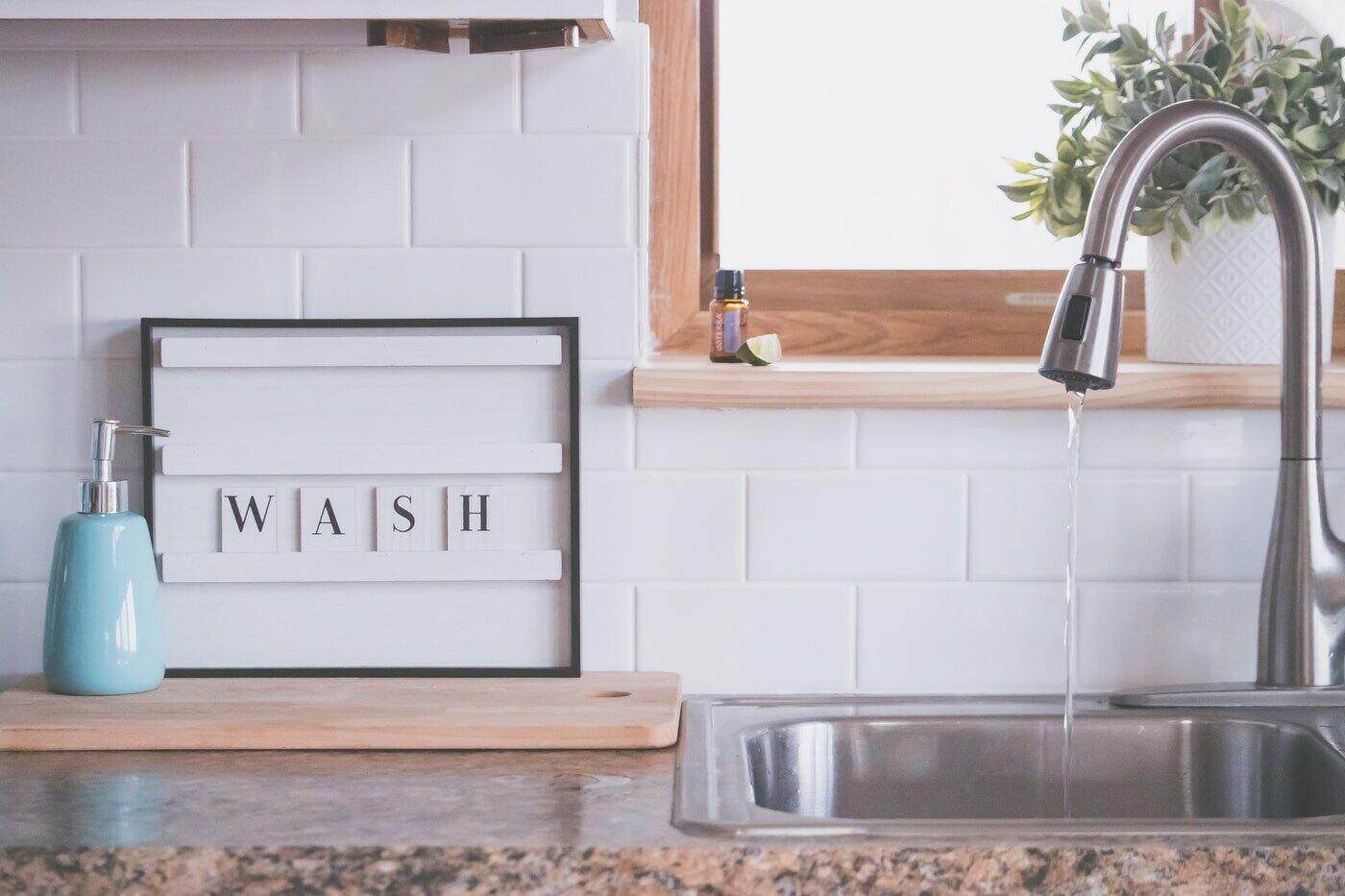
Having a keen eye is essential if you want to keep your home functioning at its best. Some of the problems you’ll experience with your property might be small, but when left unaddressed, they can cause a lot of stress in the future.
As a homeowner, another maintenance tip to follow is to look for and repair leaks. Any spots that allow water inside your home can encourage the growth of molds, which can take a toll on the health and safety of your household. Leaks can also weaken the structural integrity of your home, making it prone to damages in the future.
Leaky faucets, running toilets and dripping showers can also add up to a lot of wasted water in the home. Keeping your plumbing running leak-free is one of the simplest ways to keep your water usage down.
Leaks are often caused by pipes and can be repaired on your own. You just need to turn off your water supply, dry the leaking area on the pipe, and apply high-quality sealant. For leaks that require pipe replacements, contact professional plumbers.
3. Keep Your HVAC System Clean
Your home’s heating, ventilation, and air conditioning (HVAC) system is an expensive and important investment because it regulates the temperature indoors and improves the quality of air inside your home. However, a damaged HVAC system won’t provide these benefits. In fact, continually using one will cause your energy bills to skyrocket and your family to be exposed to allergens present in the air.
Hence, as a new homeowner, another home maintenance tip to follow is to keep your HVAC system clean. It’s your responsibility as a homeowner to find time to clean the evaporator coils and drain pan of your AC units. Moreover, you should also replace your filters regularly, inspect bearings, belts and fans, and clean the air ducts.
4. Check for Air Leaks
Homes can lose much of their heated and cooled air through air leaks. As a new homeowner, take some time every year to inspect your home for places where air is escaping. The biggest air leak culprits are windows and doors, but homes can also lose air through places like electrical outlets, vent openings, even baseboards.
Consider doing a professional home energy audit, or if that’s not in the budget, do a blower door test. You can even keep it simple and walk a stick of incense around the rooms of your home, noting places where the incense seems to get caught up in a draft from outside air.
Caulk leaks wherever you find them, but remember that checking once won’t keep your house air tight forever. Sealants and caulking can crack and wear down over time with the changing seasons, so make this a regular part of your home maintenance routine.
Start ASAP
Following a home maintenance checklist won’t only allow you to make the most out of your investment, but’s also a great way to save money from paying for expensive home repairs. You can keep yourself on track with a home maintenance checklist, so start following one right away!
Feature image: Kelly Lacy; Image 1: Jessica Lewis


