

From lowering energy bills to reducing your environmental footprint, small upgrades can lead to big results when it comes to creating a green home. Whether you’re building from scratch or making improvements to an existing property, the right changes can improve comfort, efficiency and long-term savings.
Green homes also promote better indoor air quality, encourage resource conservation and can even increase resale value. With the right approach, sustainable living becomes both practical and rewarding. In this post, we’ll explore three impactful upgrades that can significantly boost your home’s sustainability, based on real data and expert recommendations.
Insulation: The First Line of Defense Against Heat Loss
Proper insulation is one of the most cost-effective and impactful eco-friendly upgrades you can make. It plays a major role in maintaining indoor comfort and reducing the energy demand on heating systems, especially in colder climates. For example, when professionals calculate heat loss in a typical home, they often base their assumptions on maintaining an indoor temperature of 70°F while outdoor temperatures drop as low as 0°F. This extreme contrast highlights the importance of high-quality insulation in walls, ceilings and floors to minimize energy waste.
Insulating your home properly reduces the need for excessive heating in winter and cooling in summer, allowing your HVAC system to work more efficiently. Consider sustainable insulation materials like cellulose, wood fibre, recycled denim or sheep’s wool to align performance with environmental goals.
Cooling Efficiency: Upgrade Your HVAC to Cut Costs and Carbon
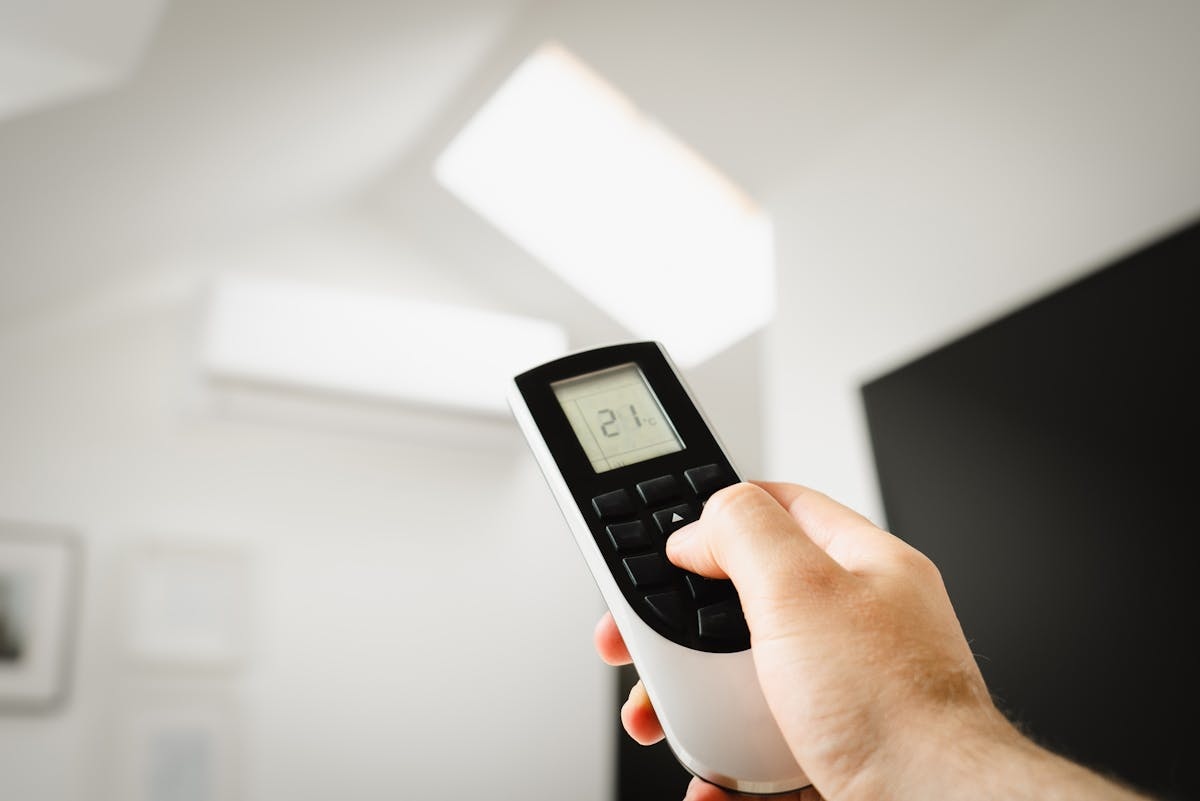
In warmer climates, air conditioning is often viewed as a necessity. In fact, recent data from the Energy Institute shows that nearly 90 percent of homes in the United States are equipped with some form of air conditioning. With so many homes relying on cooling systems, improving HVAC efficiency has become a top priority for green living.
One of the most effective eco-upgrades is to replace old units with Energy Star–certified air conditioners or heat pumps. Smart thermostats, regular maintenance and properly sealed ductwork can also improve efficiency and reduce energy consumption. Pairing these upgrades with ceiling fans and energy-efficient windows can further enhance your home’s overall performance while lowering your carbon footprint.
Septic Systems: Sustainable Solutions for Rural and Off-Grid Living
While often overlooked, septic systems play a significant role in how eco-friendly a home truly is. Approximately 25 percent of American homes use a septic system, according to experts at This Old House. These systems manage wastewater independently from public sewer systems and can be designed to support sustainable water usage with the right upgrades.
Eco-conscious homeowners can invest in modern, high-efficiency septic technologies that reduce water waste and limit the use of harsh chemicals. Composting toilets, greywater systems and water-saving appliances like low-flow toilets and faucets can ease the load on septic tanks and reduce environmental impact. Routine pumping and inspections also ensure the system operates safely and efficiently over time.
Transforming your home into a more eco-friendly space doesn’t require a full overhaul—it starts with smart, targeted upgrades that align with both your values and your budget. Improving insulation, enhancing HVAC efficiency and making better use of septic systems are just a few practical ways to reduce your home’s environmental impact. These upgrades also contribute to healthier living conditions and long-term energy savings, making them a wise investment.


