

Reducing water consumption is one of the easiest ways to lessen ecological footprints. It’s a resource many take for granted, yet so many worldwide live with a limited supply. How can people increase their awareness to be less exploitative of water reserves, leaving more to go around?
1. Fix Leaks
According to the U.S. Environmental Protection Agency (EPA), the average household loses 10,000 gallons of water yearly to pesky leaks. This could be from a dripping kitchen faucet or a hidden leak behind a toilet. Consider reaching out to a plumber to do an audit of plumbing infrastructure and fixtures. They assist in identifying leaks where people wouldn’t think to look. They can also point out devices that are about to fail and suggest eco-friendly replacements.
Tending to leaks provides many benefits. First, households prevent damage to the home by saving water. Additionally, it’s a chance to change out old utilities, like shower heads and faucet aerators, with low-flow options.
Discovering leaks is a gateway to finding other water-reduction insights. If families are looking for reputable fixture alternatives, pick products with the WaterSense logo. This proves organizations have tested it for its conservation abilities.
2. Change Bathroom Habits
Families can imagine the places where they use the most water. The bathroom is one. There are numerous opportunities for cutting at least 50 percent of water use in this room alone. Here are a few suggestions:
- Turn off taps when brushing teeth or shaving
- Opt for a shower over a bath
- Time showers to see how long they take, and challenge the household to shorten them
- Stop using the toilet as a trash can because it forces the system to use more water
- Put a weighted bottle in the toilet’s tank
3. Wash Dishes and Laundry Differently
Households might be washing their dishes and clothes wastefully without realizing it. If the kitchen has a dishwasher, only wash full loads. Put in as much as possible to maximize water use. Before putting dirty dishes in there, many dishwasher manufacturers warn diners not to pre-rinse. Most washers are powerful enough to tackle grime without assistance, and rinsing just runs the tap unnecessarily. If homes wash dishes by hand, fill a basin or one side of the sink instead of letting water run constantly.
Similar advice translates to laundry machines. If the family is in a position to purchase new equipment, purchasing one with Energy Star certification will promise lower energy and water use. Choose front-loading machines, because they use 50 percent less water than top-loading alternatives. Also, be mindful of how much detergent goes in the basin — using too much may require extra rinsing to get rid of all the suds.
4. Landscape Smartly
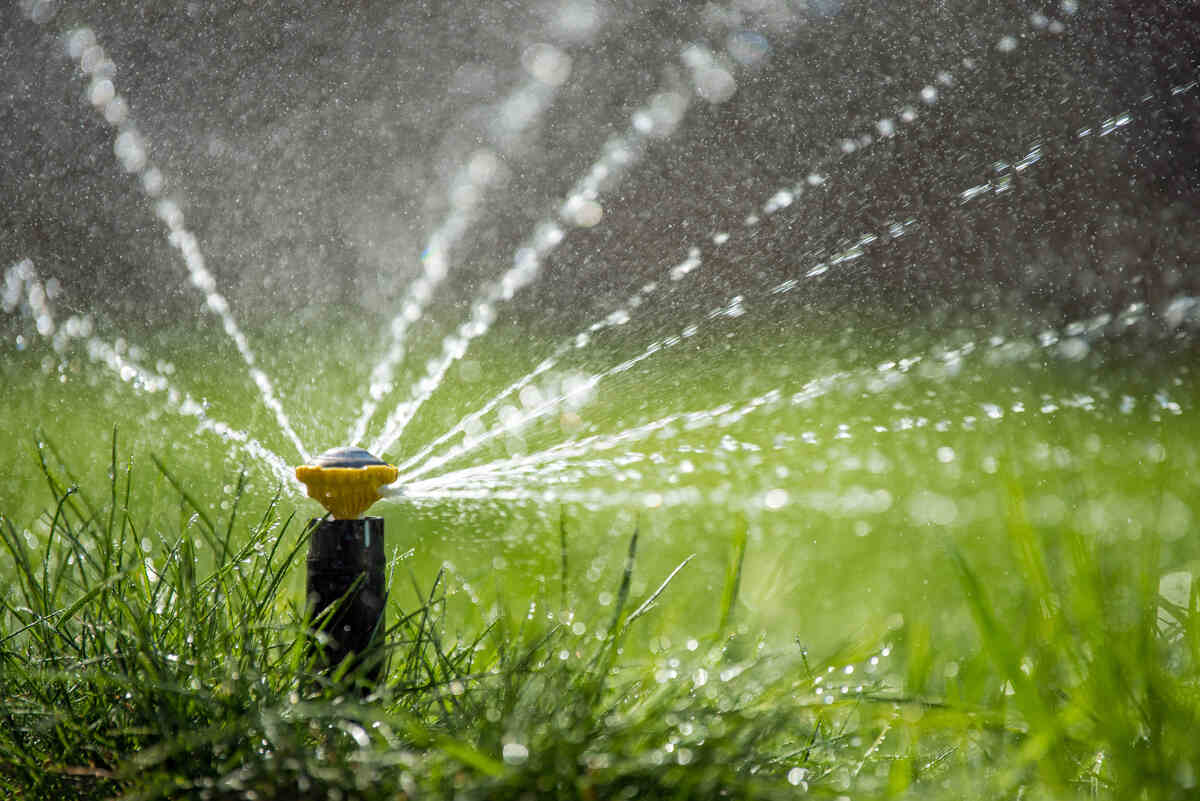
Many don’t realize how thirsty their outside spaces are. Landscaping, irrigation and sprinklers are some of the best opportunities to cut sneaky water use.
Installing barrels to collect rainwater is one of the most valuable water-saving technologies. Connect them to downspouts and gutters. Use this instead of automated sprinklers, which can waste gallons of water daily. Households may not realize most sprinkler water evaporates before it can permeate the soil during warmer months. Watering with recycled rainwater or using drip irrigation is more effective. Read more about rainwater harvesting in Rainwater Harvesting 101.
Homeowners should also plant smartly depending on their region. Planting non-native plants in the wrong climate will lead to overwatering and the plants failing to thrive. Plant frost-resistant daffodils in spring and heat-loving honeysuckles in the summer.
5. Don’t Buy Water-Intensive Products
It’s just as critical to find savings opportunities at home as it is to think about the big picture. Countless consumer products are water-intensive, depleting the Earth’s natural reserves when there are numerous regions worldwide in scarcity.
The fast fashion industry is one of the worst offenders. Manufacturing and production of fast fashion uses 93 billion cubic meters of water annually, which could go to five million people. To combat this, shoppers can avoid wasteful industries like fast fashion and dedicate their purchasing power to companies that use resources more consciously.
Consumers can also consider their food and beverage choices and how they contribute to wasted water. For example, it takes 1.97 liters of water to make one liter of Coca-Cola, and beef requires 1,800 gallons per pound to produce. Making small changes for water-saving alternatives can significantly reduce the average consumer’s water consumption.
Smart Water Choices
Embrace even one of these recommendations, and households will easily reduce their water use. This will save on water bills while being more considerate of the planet. Water is a luxury, no matter what part of the world a person lives. The best gift that cutting consumption will give is a boost in gratitude and awareness of water’s worth. Hopefully, the mindset shift will reduce water insecurity worldwide soon.
Want to take a more aggressive approach to water saving? Check out our Guide to Greywater Systems.


